- Case Study 1: Cloud Misconfiguration in a Consumer Platform
- Case Study 2: Ransomware Attack on Healthcare and EdTech Infrastructure
- Case Study 3: AI-Enabled Fraud and Social Engineering
- The Evolution of Cyber Insurance in India
- The SME and MSME Vulnerability
- Implications for the Cyber Insurance Ecosystem
- DPDP Act and the End of Optional Cyber Insurance
- Related

By Gauravdeep Singh, Head – State e-Mission Team (SeMT), Ministry of Electronics and Information Technology
The Digital Personal Data Protection (DPDP) Act has fundamentally altered the risk landscape for Indian organisations.
Data breaches now trigger mandatory compliance obligations regardless of their origin, transforming incidents that were once purely operational concerns into regulatory events with significant financial and legal implications.
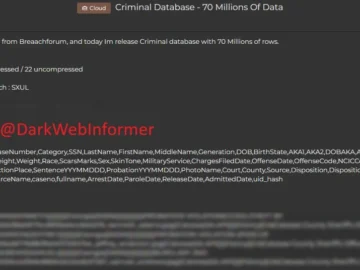
Case Study 1: Cloud Misconfiguration in a Consumer Platform
A prominent consumer-facing platform experienced a data exposure incident when a misconfigured storage bucket on its public cloud infrastructure inadvertently made customer data publicly accessible. While no malicious actor was involved, the incident still constituted a reportable data breach under the DPDP Act framework.
The organisation faced several immediate obligations:
- Notification to affected individuals within prescribed timelines
- Formal reporting to the Data Protection Board
- Comprehensive internal investigation and remediation measures
- Potential penalties for failure to implement reasonable security safeguards as mandated under the Act
Such incidents highlight a critical gap in traditional risk management approaches. The financial exposure—encompassing regulatory penalties, legal costs, remediation expenses, and reputational damage—frequently exceeds conventional cyber insurance coverage limits, particularly when compliance failures are implicated.

Case Study 2: Ransomware Attack on Healthcare and EdTech Infrastructure
A mid-sized healthcare and education technology provider fell victim to a ransomware attack that encrypted sensitive personal records. Despite successful restoration from backup systems, the organisation confronted extensive regulatory and operational obligations:
- Forensic assessment to determine whether data confidentiality was compromised
- Mandatory notification to regulatory authorities and affected data principals
- Ongoing legal and compliance proceedings
The total cost extended far beyond any ransom demand. Forensic investigations, legal advisory services, public communications, regulatory compliance activities, and operational disruption collectively created substantial financial strain, costs that would have been mitigated with appropriate insurance coverage.
Case Study 3: AI-Enabled Fraud and Social Engineering
The emergence of AI-driven attack vectors has introduced new dimensions of cyber risk. Deepfake technology and sophisticated phishing campaigns now enable threat actors to impersonate senior leadership with unprecedented authenticity, compelling finance teams to authorise fraudulent fund transfers or inappropriate data disclosures.
These attacks often circumvent traditional technical security controls because they exploit human trust rather than system vulnerabilities. As a result, organisations are increasingly seeking insurance coverage for social engineering and cyber fraud events, particularly those involving personal data or financial information, that fall outside conventional cybersecurity threat models.
The Evolution of Cyber Insurance in India
The Indian cyber insurance market is undergoing significant transformation in response to the DPDP Act and evolving threat landscape. Modern policies now extend beyond traditional hacking incidents to address:
- Data breaches resulting from human error or operational failures
- Third-party vendor and SaaS provider security failures
- Cloud service disruptions and availability incidents
- Regulatory investigation costs and legal defense expenses
- Incident response, crisis management, and public relations support
Organisations are reassessing their coverage adequacy as they recognise that historical policy limits of Rs. 10–20 crore may prove insufficient when regulatory penalties, legal costs, business interruption losses, and remediation expenses are aggregated under the DPDP compliance framework.
The SME and MSME Vulnerability
Small and medium enterprises represent the most vulnerable segment of the market. While many SMEs and MSMEs regularly process personal data, they frequently lack:
- Mature information security controls and governance frameworks
- Dedicated compliance and data protection teams
- Financial reserves to absorb penalties, legal costs, or operational disruption
For organisations in this segment, even a relatively minor cyber incident can trigger prolonged operational shutdowns or, in severe cases, permanent closure.
Despite this heightened vulnerability, cyber insurance adoption among SMEs remains disproportionately low, driven primarily by awareness gaps and perceived cost barriers.
Implications for the Cyber Insurance Ecosystem
The Indian cyber insurance market is entering a period of accelerated growth and structural evolution. Several key trends are emerging:
- Higher policy limits becoming standard practice across industries
- Enhanced underwriting processes emphasising compliance readiness and data governance maturity
- Comprehensive coverage integrating legal advisory, forensic investigation, and regulatory support
- Risk-based pricing models that reward robust data protection practices
Looking ahead, cyber insurance will increasingly be evaluated not merely as a risk-transfer mechanism, but as an indicator of an organisation’s overall data protection posture and regulatory preparedness.
DPDP Act and the End of Optional Cyber Insurance
The DPDP Act has fundamentally redefined cyber risk in the Indian context. Data breaches are no longer isolated IT failures; they are regulatory events carrying substantial financial, legal, and reputational consequences. In this environment, cyber insurance is transitioning from a discretionary safeguard to a strategic imperative.
Organisations that integrate cyber insurance into a comprehensive data governance and enterprise risk management strategy will be better positioned to navigate the evolving regulatory landscape.
Conversely, those that remain uninsured or underinsured may discover that the cost of inadequate preparation far exceeds the investment required for robust protection.
(This article reflects the author’s analysis and personal viewpoints and is intended for informational purposes only. It should not be construed as legal or regulatory advice.)