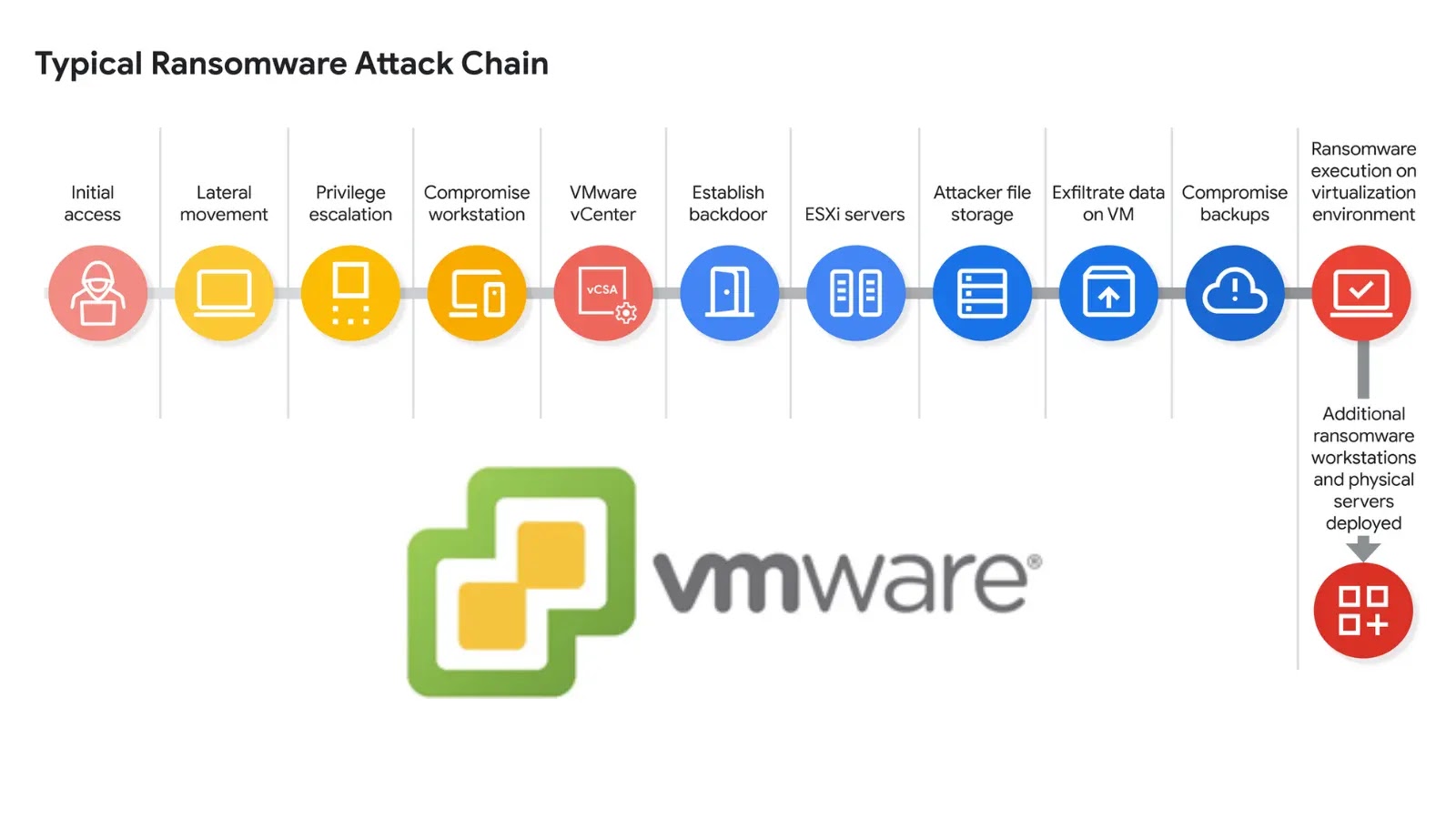
The integration of Large Language Models (LLMs) into ransomware operations marks a pivotal shift in the cybercrime landscape, functioning as a potent operational accelerator rather than a fundamental revolution.
This technology dramatically lowers barriers to entry, enabling even low-skill actors to assemble functional tools and sophisticated Ransomware-as-a-Service (RaaS) infrastructure.
Consequently, the ecosystem is splintering; the era of monolithic cartels is fading, replaced by a proliferation of smaller, agile crews and ephemeral groups. These shifts complicate attribution and force defenders to contend with a noisier, more fragmented threat environment.
Attack vectors are expanding as adversaries repurpose enterprise workflows for malicious ends.
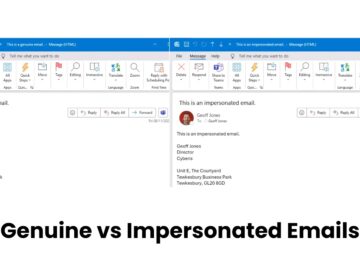
Threat actors now utilize LLMs to automate the creation of convincing phishing emails and localized ransom notes that perfectly mimic victim languages.
Furthermore, these models have revolutionized data triage, allowing attackers to instantly identify lucrative targets within leaked data dumps, regardless of the original language.

.webp)
This capability eliminates linguistic blind spots, enabling operators to scale their extortion efforts globally and maximize the impact of their intrusions without increasing their resource footprint.
SentinelLabs analysts identified that a critical component of this acceleration is the migration toward local, open-source models to bypass security guardrails.
Strategic Pivot
By fragmenting malicious requests into benign prompts or by using uncensored models such as Ollama, criminals effectively minimize provider telemetry and evade detection mechanisms.
This strategic pivot enables attackers to maintain high-tempo operations while reducing the likelihood that centralized AI providers will flag their infrastructure.
A distinct manifestation of this trend is QUIETVAULT, a sophisticated malware strain that weaponizes locally hosted LLMs on macOS and Linux environments.
Instead of relying solely on static pattern matching, QUIETVAULT leverages the victim’s installed AI tools to perform intelligent reconnaissance.
The malware injects specific prompts into the local model, instructing it to search user directories for high-value assets recursively.
.webp)
This method allows the malware to interpret file context and relevance with a degree of reasoning previously unavailable to automated scripts.
The malware targets explicitly sensitive locations and cryptocurrency assets.
Target Paths: $HOME, ~/.config, ~/.local/share
Target Wallets: MetaMask, Electrum, Ledger, Trezor
Upon identifying these files, QUIETVAULT executes a standard exfiltration routine. It Base64-encodes the stolen data to obfuscate it from network monitoring tools and exfiltrates the payload via newly created GitHub repositories using local credentials.
QUIETVAULT leverages locally hosted LLMs to enhance credentials and wallet discovery. This technique exemplifies how attackers are adapting to the proliferation of AI, turning powerful productivity tools into engines for precise data theft.
Follow us on Google News, LinkedIn, and X to Get More Instant Updates, Set CSN as a Preferred Source in Google.