Meta has launched a suite of advanced anti-scam tools across WhatsApp, Facebook, and Messenger to combat the growing industrialization of online fraud.
These new defenses combine artificial intelligence, behavioral alerts, and global law enforcement partnerships to protect users proactively.
To protect users from evolving social engineering tactics, Meta introduced specific warning mechanisms across its ecosystem. These tools are designed to alert users before they interact with malicious actors.
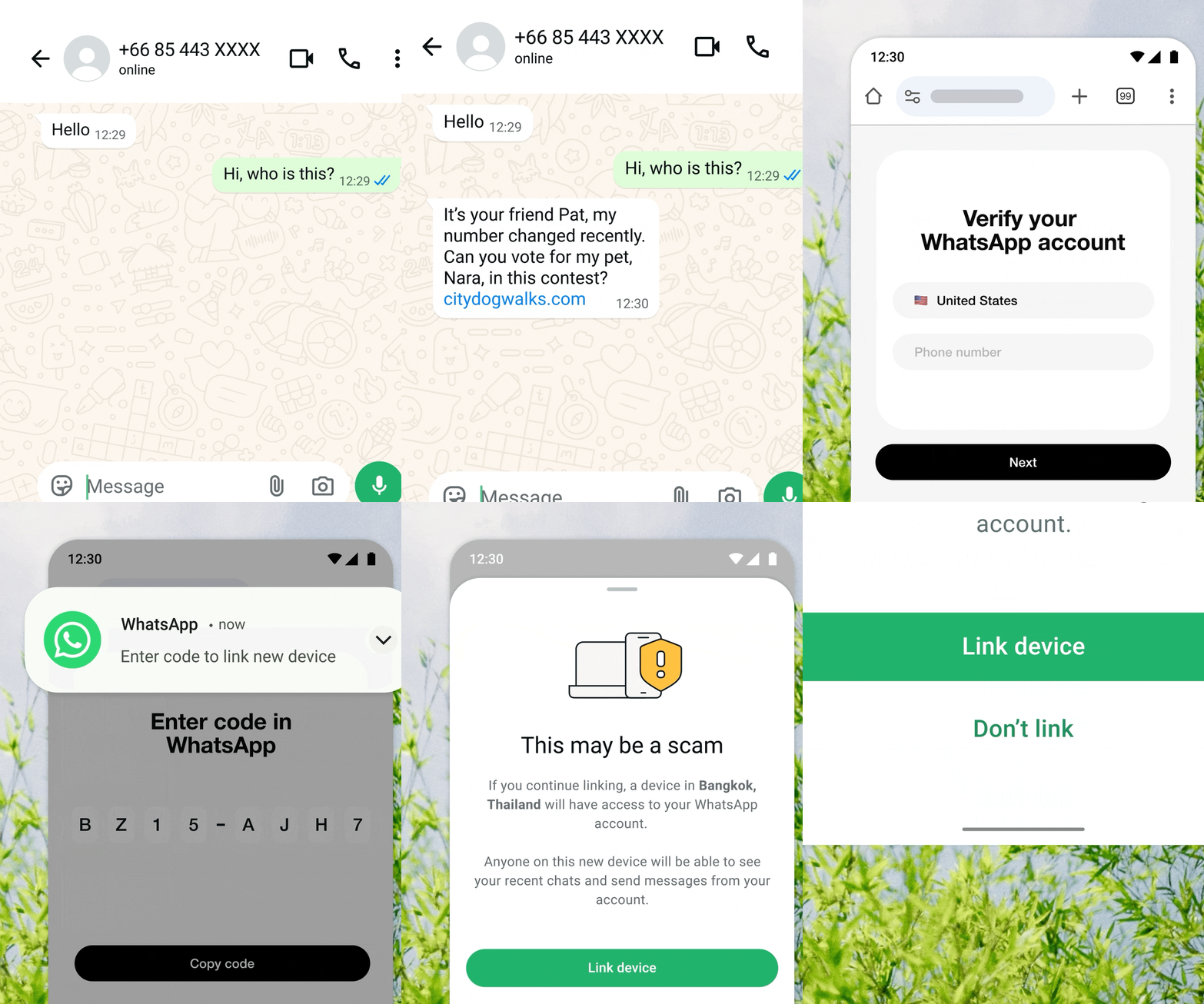
WhatsApp Device Linking: Threat actors frequently use fake QR codes or social engineering to steal device linking codes. WhatsApp now issues behavioral alerts detailing the request’s origin to prevent unauthorized account pairing.
Facebook Friend Requests: Meta is testing warnings for suspicious friend requests. Users receive alerts when interacting with accounts showing suspicious signals, such as zero mutual friends or unexpected geographic locations.

Messenger Scam Detection: Messenger now uses advanced algorithms to identify patterns of common fraud, such as fake job offers. Users receive warnings and prompts to review recent suspicious chats using AI.


Traditional security filters often fail to catch nuanced, deceptive framing. Meta deployed advanced AI systems capable of analyzing text, images, and context simultaneously.
This technology identifies scammers impersonating public figures by analyzing fake fan sentiment and misleading biographies. Additionally, the AI proactively blocks content that redirects users to phishing domains designed to steal credentials.
Meta’s disruption operations removed over 159 million scam advertisements globally in 2025, with 92% taken down proactively.
In India, the company banned more than 12.1 million pieces of fraudulent ad content. Furthermore, Meta dismantled 10.9 million accounts tied to criminal scam centers.
Including 150,000 accounts linked to Southeast Asian syndicates orchestrating fake “digital arrests” and cryptocurrency fraud.
To secure its advertising ecosystem, Meta is expanding its advertiser verification program. The company aims to have verified advertisers drive 90% of its ad revenue by the end of 2026.
For user education, Meta partnered with the Indian Cyber Crime Coordination Centre (I4C) and SEBI to launch the third edition of the “Scams se Bacho” campaign. This initiative uses digital creators to help vulnerable populations identify online threats.
Follow us on Google News, LinkedIn, and X for daily cybersecurity updates. Contact us to feature your stories.