19 ways to build zero trust: NIST offers practical implementation guide
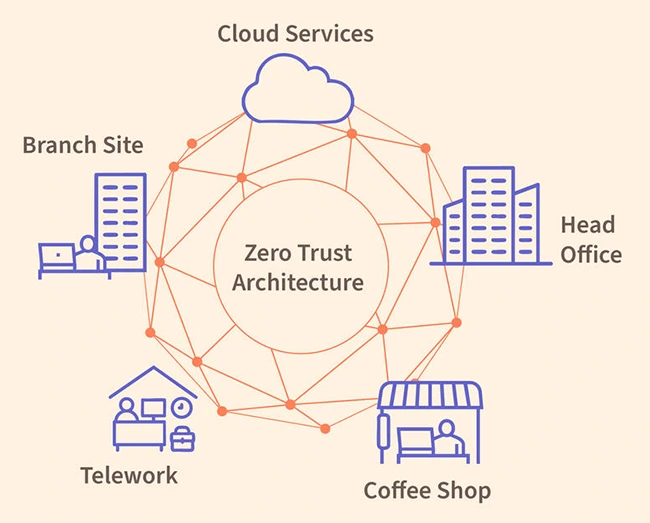
The National Institute of Standards and Technology (NIST) has released a new guide that offers practical help for building zero trust architectures (ZTA). The guidance,…
The National Institute of Standards and Technology (NIST) has released a new guide that offers practical help for building zero trust architectures (ZTA). The guidance,…
Attackers are using the TeamFiltration pentesting framework to brute-force their way into Microsoft Entra ID (formerly Azure AD) accounts, Proofpoint researchers have discovered. “Proofpoint’s research…
The LockBit ransomware-as-a-service (RaaS) operation has netted around $2.3 million USD within 5 months, the data leak stemming from the May 2025 hack of a…
In this Help Net Security interview, Joni Klippert, CEO of StackHawk, discusses why API visibility is a major blind spot for security teams, how legacy…
Lemony announced its on-premise artificial intelligence solution that is redefining how organizations deploy generative AI. Lemony’s secure, hardware-based node offers enterprise-grade ‘AI in a Box,’…
A cybersecurity hobbyist has built a compact, foldable mobile hacking rig that runs Kali NetHunter on a Google Pixel 3 XL. It’s called the NetHunter…
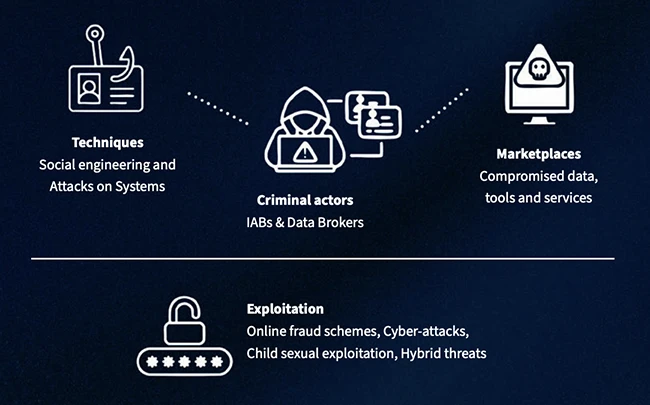
Cybercriminals are stealing data and running full-scale businesses around it. Europol’s latest Internet Organised Crime Threat Assessment (IOCTA) report reveals how personal data is now…
CISOs understand that threat modeling helps teams identify risks early and build safer systems. But outside the security org, the value isn’t always clear. When…
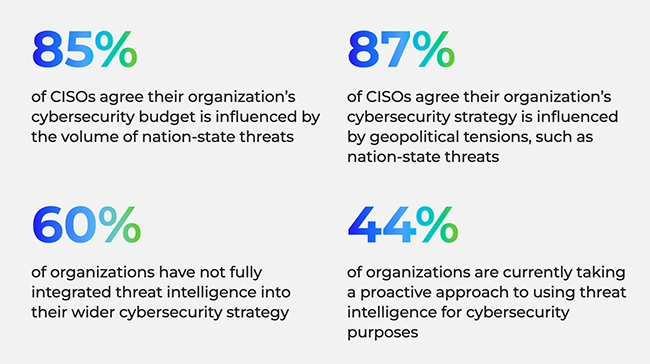
98% of CISOs face challenges when using threat intelligence, according to Trellix. The biggest problems are keeping up with changing threats, integration difficulties, and regulatory…
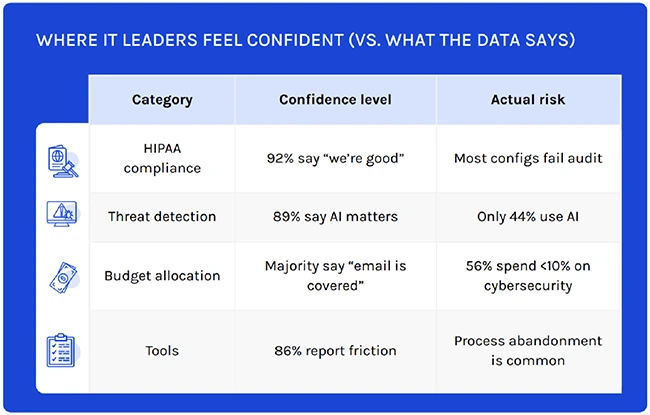
92% of healthcare IT leaders say they’re confident in their ability to prevent email-based data breaches, but according to Paubox, they’re not. Healthcare compliance confidence…
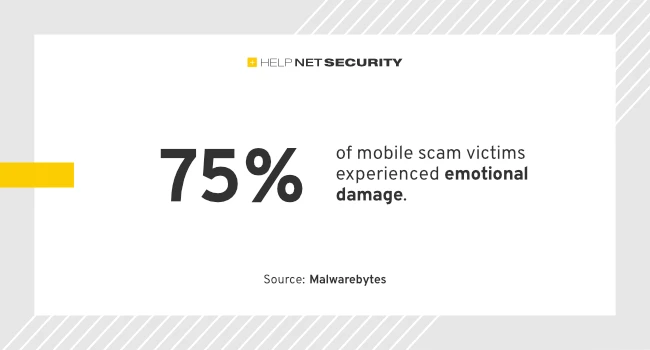
Nearly half of of mobile users encounter mobile scams daily, with people in the US and UK more likely to be targeted than those in…
More than 20,000 malicious IP addresses and domains used by information-stealing malware were taken down during an international cybercrime crackdown led by INTERPOL. Called Operation…