Twitter hacker sentenced to 5 years in prison for cybercrime offensesSecurity Affairs
A U.K. citizen, who was involved in the attack on Twitter in 2020, was sentenced to five years in prison for cybercrime offenses. Joseph James…
A U.K. citizen, who was involved in the attack on Twitter in 2020, was sentenced to five years in prison for cybercrime offenses. Joseph James…
A new round of the weekly SecurityAffairs newsletter arrived! Every week the best security articles from Security Affairs are free for you in your email…
What if the very tools designed to safeguard IT systems can become “traitorware”, a gateway for malicious actors? Adam Rice, a seasoned Security Engineer at…
The actual number of chat messages sent each day is hard to come by, but with WhatsApp alone accounting for billions of users, you can…
Here’s an overview of some of last week’s most interesting news, articles, interviews and videos: Unraveling the multifaceted threats facing telecom companiesIn this Help Net…
U.S. Army’s Criminal Investigation Division warns that US military personnel have reported receiving unsolicited smartwatches in the mail. The U.S. Army’s Criminal Investigation Division reported that…
This is the last part in the series. In this article I will be focusing on how to micro segment networks utilizing IPv6. For many…
Jun 24, 2023Ravie LakshmananCyber Crime / Cryptocurrency A U.K. citizen who took part in the massive July 2020 hack of Twitter has been sentenced to…
Jun 24, 2023Ravie LakshmananThreat Intel / Zero Day The U.S. Cybersecurity and Infrastructure Security Agency has added a batch of six flaws to its Known…
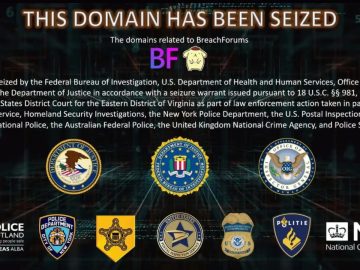
The founder of BreachForums made his first court appearance in the Eastern District of Virginia over a criminal complaint arising from his alleged creation and oversight of…
New custom malware attacking Remote Desktop Protocol clients to steal sensitive login credentials. Recently, the ‘RedClouds’ cyberespionage campaign steals data from shared drives via RD…
The threat actor “Midnight Blizzard” is engaging in increasing credential attack activity. They conceal the origin of their assaults by employing residential proxy services. These…