New backdoors from Toy Ghouls
Introduction We continue tracking the activity of Toy Ghouls (also known as Bearlyfy, Laboo.boo, and Feral Wolf), a financially motivated group that has been targeting…
Attackers typically try to pass off malware as legitimate applications or as potentially unwanted programs that users deliberately search for and download, such as cheats…
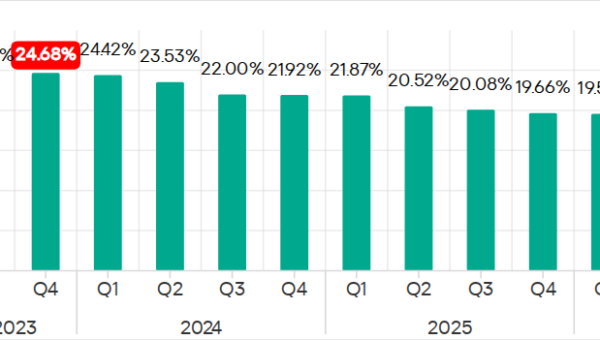
All threats In Q2 2026, the percentage of ICS computers on which malicious objects were blocked continued to decrease, falling to 19.15%, its lowest level…
IT threat evolution in Q2 2026. Mobile statisticsIT threat evolution in Q2 2026. Non-mobile statistics The mobile section of the quarterly cyberthreat report includes statistics on malware,…
Threat actors are increasingly exploiting legitimate cloud services to evade detection and streamline the deployment of their scam infrastructure. Cloud hosting services and decentralized networks…
One of the most common pieces of anti-phishing advice is to double-check the website’s domain name before providing your credentials. Typically, a fraudulent domain stands…
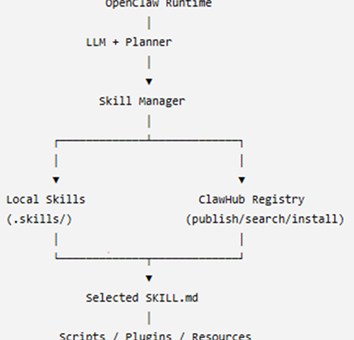
OpenClaw, which was previously known as Clawdbot and Moltbot, is today one of the most successful and fast‑growing ecosystems for AI agents, recognized worldwide. The…
Introduction ExifTool is a widely adopted utility for reading and writing metadata in image, PDF, audio, and video files. It is available both as a…
Introduction Through our daily threat hunting, we noticed that, beginning in July 2025, a series of malicious wheel packages were uploaded to PyPI (the Python…
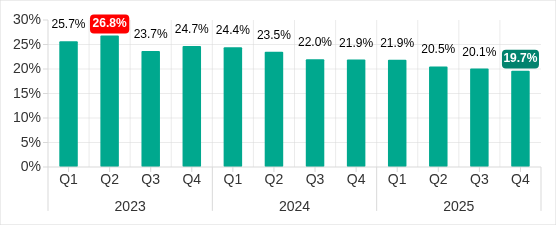
Statistics across all threats The percentage of ICS computers on which malicious objects were blocked has been decreasing since the beginning of 2024. In Q4…
At the start of the year, a certain Trojan caught our eye due to its incredibly long infection chain. In most cases, it kicks off…
Introduction In March 2026, we discovered an active campaign promoting previously unknown malware in private Telegram chats. The Trojan was offered as a MaaS (malware‑as‑a‑service) with…