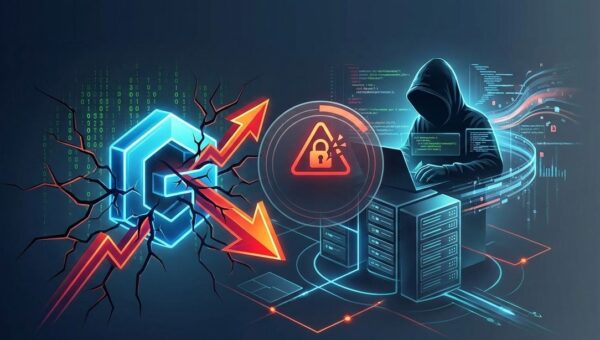
The Americas cyber threat landscape saw a significant rise in AI-powered cyberattacks, ransomware campaigns, and critical infrastructure targeting during the first quarter of 2026, reflecting how rapidly cyber threats are evolving across the region.
Security researchers observed that threat actors increasingly used generative AI to automate phishing campaigns, create convincing deepfakes, and accelerate exploitation techniques. At the same time, ransomware groups, hacktivists, and nation-state actors intensified attacks against organizations operating in healthcare, manufacturing, utilities, energy, and government sectors across North and Latin America.
To help cybersecurity professionals better understand these evolving risks, Cyble will host a live webinar on May 28, 2026, focused on the key cyber threats, adversary tactics, and emerging attack trends shaping the Americas cyber threat landscape in Q1 2026.

AI-Powered Cyber Threats Continue to Grow
One of the most notable developments during Q1 2026 was the increasing use of artificial intelligence by cybercriminals and advanced threat groups.
Threat actors are now leveraging generative AI to produce highly targeted phishing emails, fake identities, deepfake content, and automated social engineering campaigns at scale. Security analysts warn that these AI-driven techniques are making attacks more difficult to identify and increasing the success rate of phishing and credential theft operations.
Researchers also observed that attackers are using AI to accelerate reconnaissance and exploitation activities, enabling cybercriminals to move faster and target larger numbers of victims simultaneously.

As AI-powered attacks become more sophisticated, organizations are facing growing pressure to strengthen detection capabilities and improve incident response readiness.
Critical Infrastructure Remains a Primary Target
The Americas cyber threat landscape also highlighted the continued targeting of critical infrastructure sectors during Q1 2026.
Healthcare providers, energy operators, utilities, manufacturing organizations, and public sector institutions experienced persistent cyber threats from ransomware operators, hacktivist groups, and nation-state actors.
Security researchers noted increasing concerns around operational technology environments and attacks designed to disrupt essential services. Supply chain vulnerabilities and third-party risks also remained major challenges for organizations responsible for maintaining critical infrastructure.
Experts believe these attacks are no longer solely focused on financial extortion. Many campaigns are increasingly linked to geopolitical tensions, intelligence gathering, and disruption-focused objectives targeting national infrastructure and strategic industries.
Cybersecurity professionals looking for deeper insights into infrastructure threats and AI-driven attack trends can register for the upcoming webinar hosted by Cyble.
Register Here
Nation-State Cyber Operations Intensify
Threat intelligence findings from Q1 2026 also revealed growing activity from nation-state groups associated with China, Russia, Iran, and North Korea.
These groups continued targeting organizations across the Americas through espionage campaigns, vulnerability exploitation, credential theft, and malware deployment.
Researchers observed that government entities, infrastructure operators, and large enterprises remained among the primary targets of these advanced cyber operations.
Security experts warn that geopolitical developments continue to influence cyber activity, increasing the need for organizations to monitor emerging risks and strengthen resilience against sophisticated attacks.
Ransomware and Dark Web Activity Continue
Despite the growing attention around AI-driven threats, ransomware remained one of the most disruptive elements of the Americas cyber threat landscape in Q1 2026.
Threat actors continued targeting organizations across multiple industries using double extortion tactics, data theft, and operational disruption strategies. Researchers also identified ongoing activity across dark web marketplaces and underground forums supporting cybercriminal operations through the sale of stolen credentials, access data, and attack tools.
Hacktivist groups also remained active during the quarter, particularly in campaigns linked to political and regional conflicts.
Security teams are increasingly prioritizing real-time threat intelligence and attack surface visibility to identify risks earlier and respond more effectively to emerging threats.
The upcoming webinar will feature insights from Kaustubh Medhe, Head of Research & Intelligence at Cyble, Brian Osterman, Senior Solutions Engineer for the US region, and moderator Mihir Bagwe.
The session will explore ransomware trends, AI-powered attacks, nation-state cyber operations, and practical recommendations for strengthening cyber resilience in 2026.
Registered attendees will also receive a complimentary copy of the Americas Threat Landscape Report – Q1 2026.
Webinar Details
Date: Wednesday, May 28, 2026
Time: 1:00 PM ET
Duration: 45 Minutes