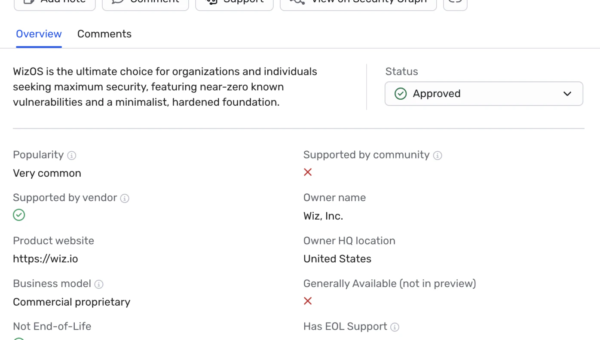
Introducing WizOS: Securing Wiz from the ground up with hardened, near-zero-CVE container base images.
Wiz is trusted by teams to protect everything they build and run in the cloud. That trust starts with how we build our platform. To…
Wiz is trusted by teams to protect everything they build and run in the cloud. That trust starts with how we build our platform. To…
Over the past several months, the Wiz Research team has built and tested Atlas, an autonomous AI system for vulnerability research, against some of the…
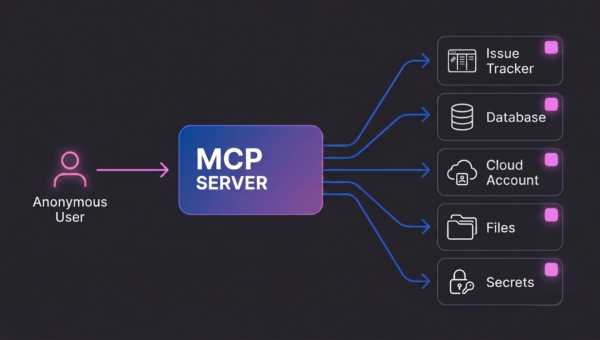
Model Context Protocol has been rapidly gaining popularity ever since its debut, but adoption of its security features hasn’t caught up. Wiz Research recently looked…
AWS Security Assurance Services is announcing the release of the Cloud Security Alliance (CSA) Compliance Guide on Amazon Web Service (AWS), a new resource that…
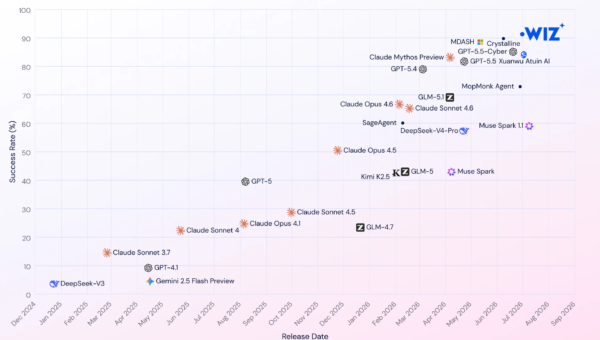
Advanced AI capabilities are compressing the time between vulnerability disclosure and active exploitation. As tasked by the White House Executive Order on Promoting Advanced Artificial…
Updated on 2025-05-21 at 10:00 (GMT+3) to clarify the relationship between the various IP addresses in the exploitation section, and at 20:00 (GMT+3) to describe…
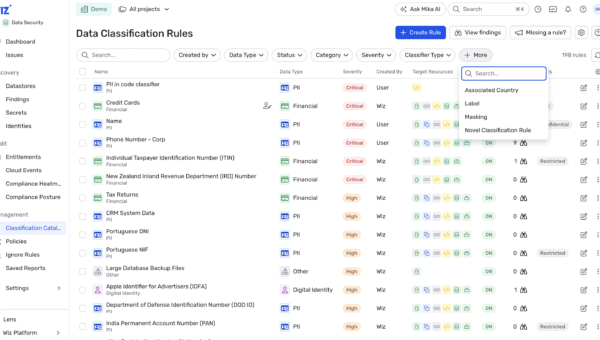
Introduction: Why Data Classification Matters In today’s cloud-native environments, data is everywhere. But not all of it matters equally — and trying to treat it…
In today’s rapidly evolving business landscape, organizations are under immense pressure to swiftly develop and deploy applications to meet market demands and customer expectations. This…
As cloud adoption accelerates, so does the complexity of securing sensitive data. Organizations today face a fragmented landscape where data sprawls across cloud providers, services,…
You’ve mapped your sensitive data. You’ve classified it. Now what? In our first post, we focused on visibility—surfacing where your sensitive data lives. In the…
For years, cloud security has centered around infrastructure. Tools surface risk in terms of resources, clusters, subscriptions, and accounts. That lens is powerful — it…
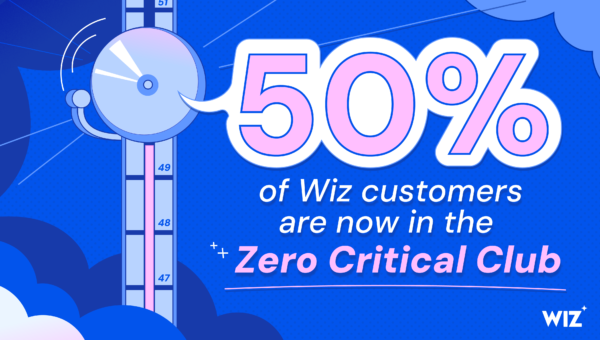
We’re thrilled to announce that over 50% of Wiz customers have joined the Wiz Zero Critical Club (ZCC)! This milestone highlights our customers’ incredible dedication…