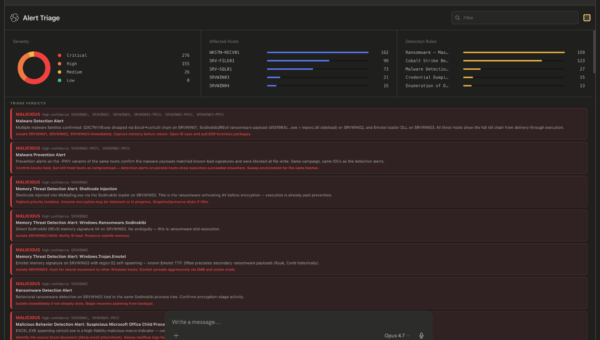
Elastic Security MCP App: fast & interactive security operations
Every SOC analyst knows the drill: an alert fires, and the next ten minutes are spent switching between a triage dashboard, a threat hunt, a…
Every SOC analyst knows the drill: an alert fires, and the next ten minutes are spent switching between a triage dashboard, a threat hunt, a…
Key Takeaways Since March 31, 2025, all 51 former “best practice” requirements in PCI DSS 4.0 have been fully scored. Every 2026 assessment covers them.…
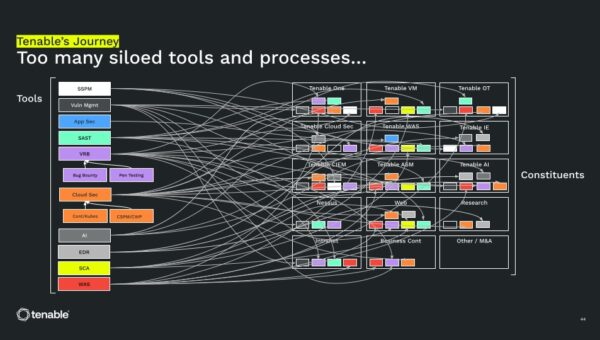
Discover how Tenable’s shift to an AI-driven exposure management program helped Tenable’s CSO, Robert Huber, overcome tool sprawl, unify data silos, mitigate the risk of…
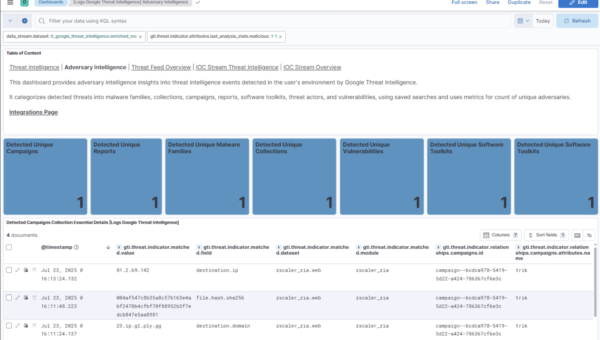
Elastic Security natively ingests Google Threat Intelligence: known-malicious IPs, domains, URLs, and file hashes matched against your telemetry the moment they appear, each carrying a…
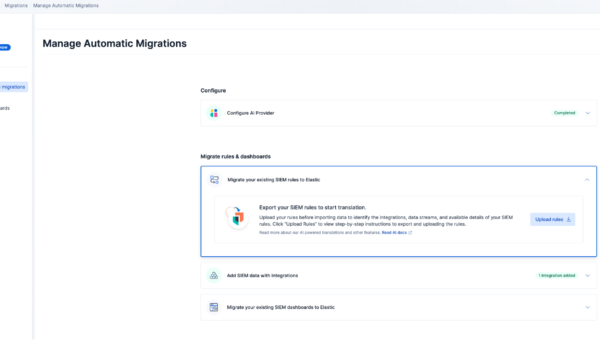
Elastic automatically translates your Microsoft Sentinel detection rules into Elastic Security. Export your Scheduled and Near Real Time (NRT) analytics rules from Sentinel, upload them,…
We know you’re tired of hearing how every vendor is going to finally help you solve alert fatigue. Well, one way we’re improving alert fatigue…
At Elastic, we know that the best way to build security tools is to bring them to the community, have security pros use them, and…
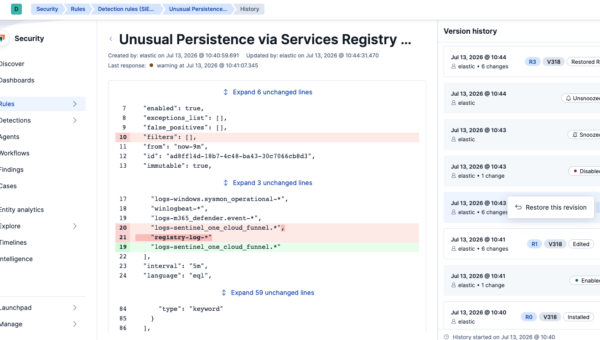
Elastic Security now tracks every change to a detection rule and lets you roll back to any previous version with one click. The same history…
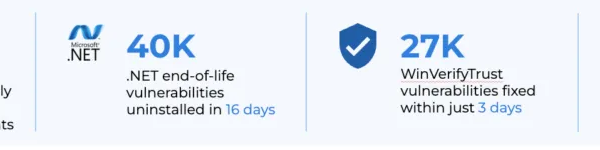
Executive Summary Most IT teams still operate under a false binary: patch or accept risk. That assumption creates unnecessary operational pressure. Patchless remediation is real…
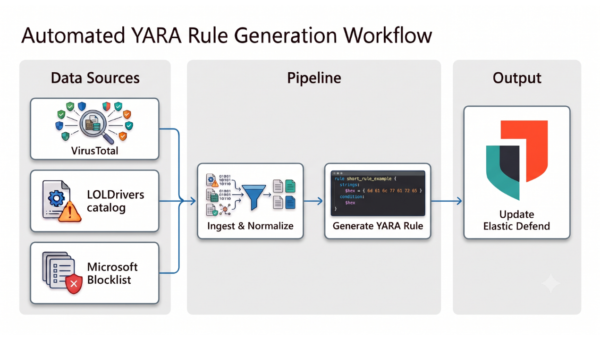
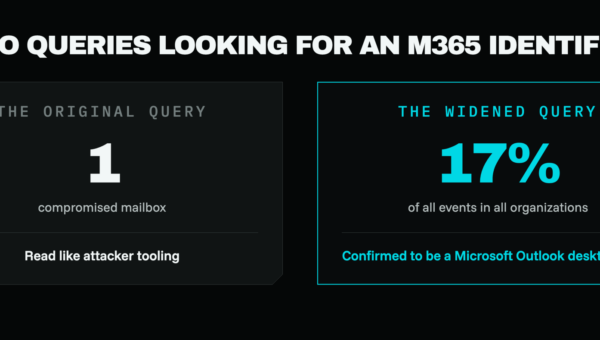
Detection rules fail in two directions: they can be too broad and create false positive alerts for the Security Operations Center (SOC) to triage, or…
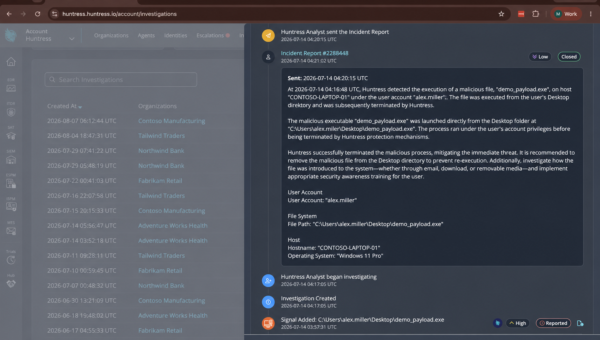
For a long time, partners have told us the same thing: when an investigation was closed as benign, it was hard to know what actually…
More tools. More alerts. More late nights. And yet, the incidents that keep blowing up your week rarely start with some flashy, sophisticated exploit. They…