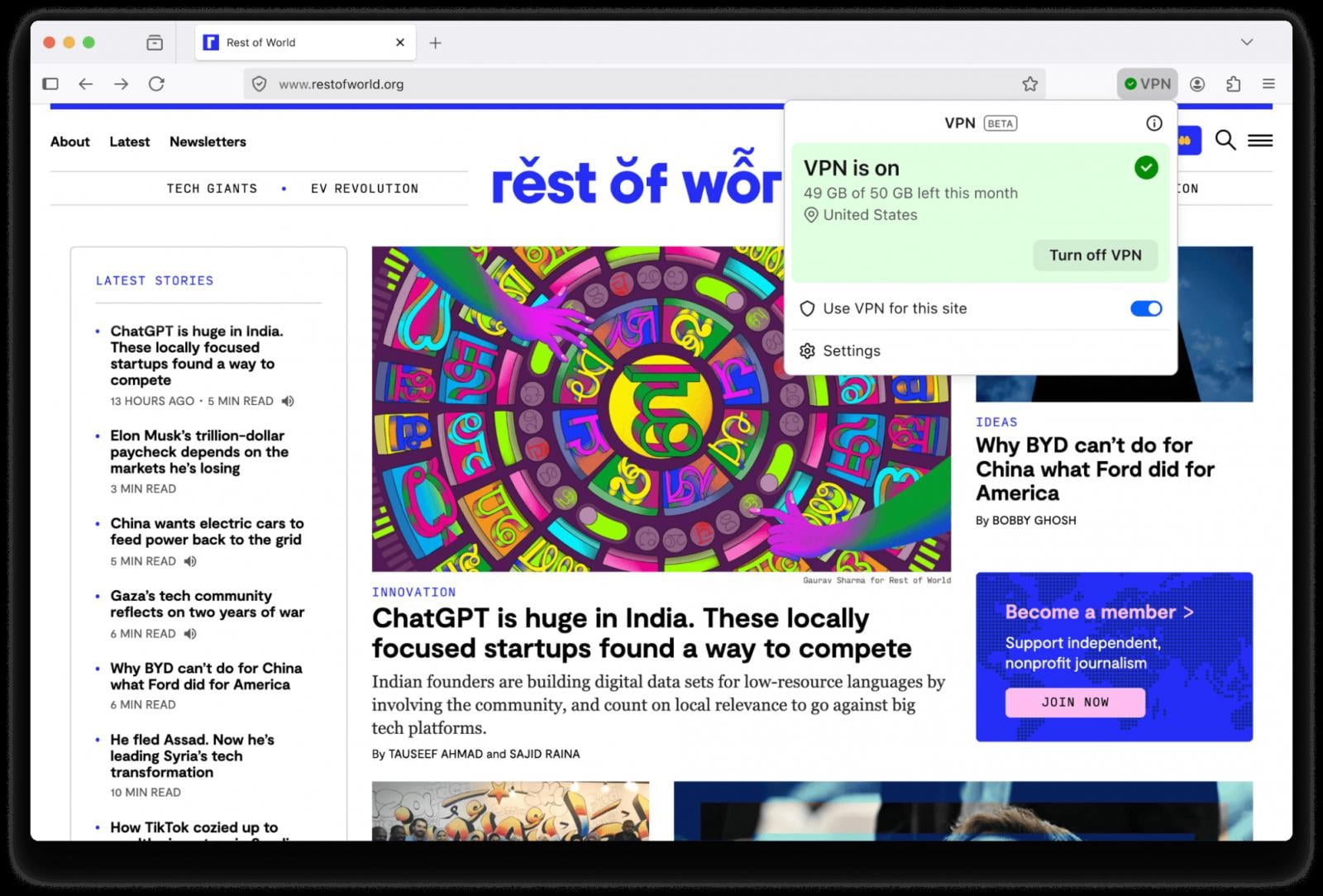
Mozilla released Firefox 149 with added privacy protection through a built-in VPN tool offering up to 50GB of monthly traffic.
The feature uses a secure proxy server to route only traffic from the browser, unlike the company’s commercial Mozilla VPN, which covers system-wide traffic.
“Whether you’re using public Wi-Fi while traveling, searching for sensitive health information, or shopping for something personal, this feature gives you a simple way to stay protected,” Mozilla says.
“Once you sign in and turn it on, you can hide your location and IP address by routing it through a secure proxy while you browse in Firefox.”
Source: Mozilla
Users with a Mozilla account will get 50 GB of traffic per month. In-browser notifications will alert them when they approach the limit.
You can turn on the VPN feature through a toggle switch in the top right of the browser interface. There is also the option to activate the VPN only on specific websites, up to five, to save traffic.
Some websites and essential services are excluded from VPN routing to avoid account sign-in problems and make sure VPN reconnection works properly.
Mozilla says that it will only collect technical data relevant for maintaining the performance and stability of the new service, and interaction data to understand usage.
“For example, we may log whether a connection succeeded or failed, or record that 2 GB of data was used on a certain day,” the company explains.
The routing server is based in the U.S., and it is selected considering location and performance for the best user experience.
Starting today, the built-in VPN feature will roll out progressively to users in the U.S., UK, Germany, and France. Currently, there is no timeline for expanding the service to more regions.
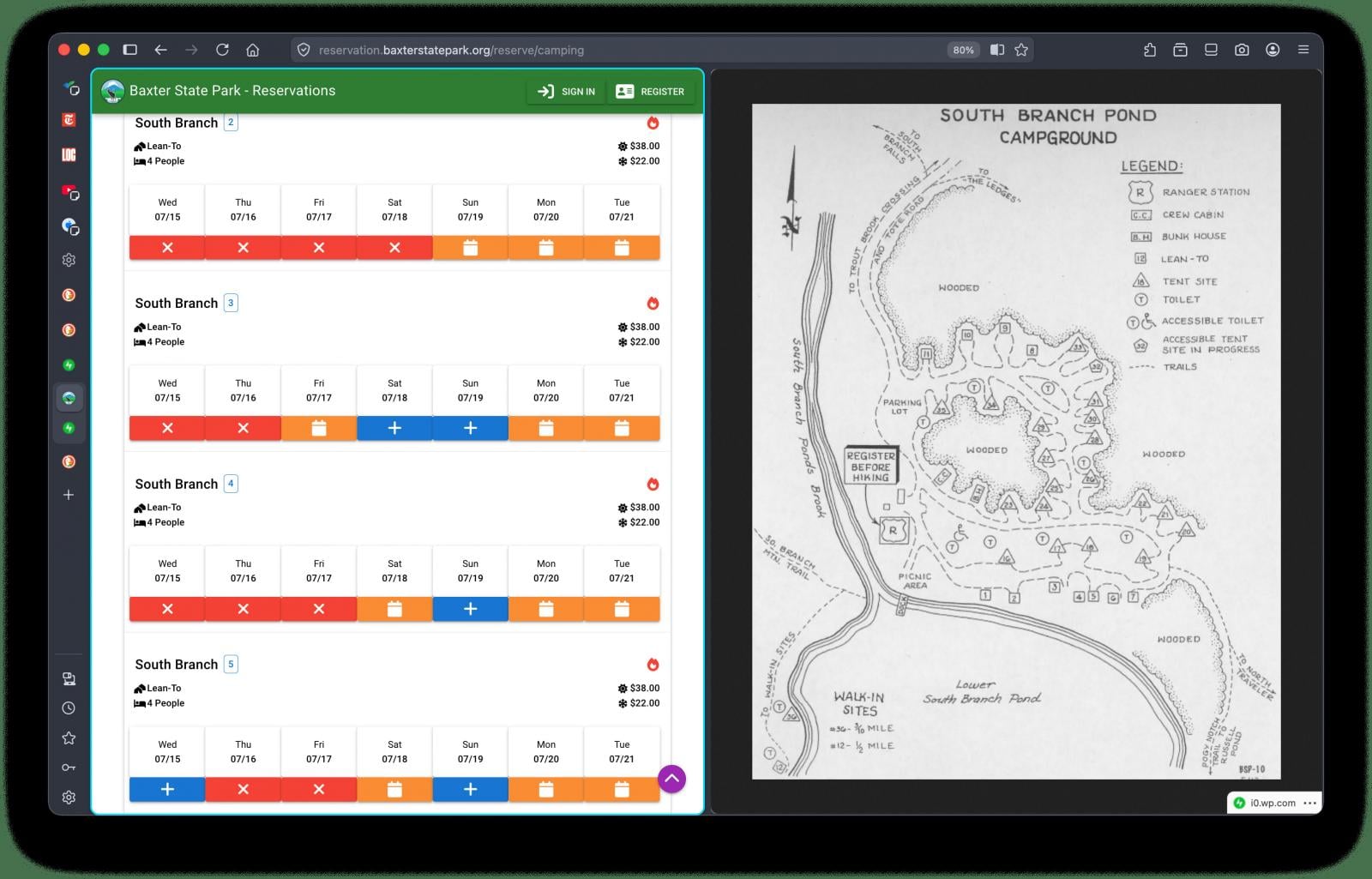
Firefox 149 also comes with Split View, a function that has been present in Google Chrome for a while, which allows placing tabs side by side in the same browser window. Mozilla highlights use cases such as planning, comparing, note-taking, and small administrative tasks, such as tax filing.
Source: Mozilla
Firefox also now automatically blocks notifications and revokes permissions from websites that the ‘SafeBrowsing’ security system has flagged as malicious.
Firefox 149 also fixes multiple security vulnerabilities. The list includes 46 issues, more than half receiving a high severity score. Several of them are user-after-free flaws, out-of-bounds errors, JIT engine flaws, and sandbox escape vulnerabilities.

Malware is getting smarter. The Red Report 2026 reveals how new threats use math to detect sandboxes and hide in plain sight.
Download our analysis of 1.1 million malicious samples to uncover the top 10 techniques and see if your security stack is blinded.