- BlacksmithAI: Open-source AI-powered penetration testing framework
- mquire: Open-source Linux memory forensics tool
- Cloud-audit: Fast, open-source AWS security scanner
- VulHunt: Open-source vulnerability detection framework
- Betterleaks: Open-source secrets scanner
- Plumber: Open-source scanner of GitLab CI/CD pipelines for compliance gaps
- ShipSec Studio brings open-source workflow orchestration to security operations

Presented here is a curated selection of noteworthy open-source cybersecurity solutions that have drawn recognition for their ability to enhance security postures across diverse settings.
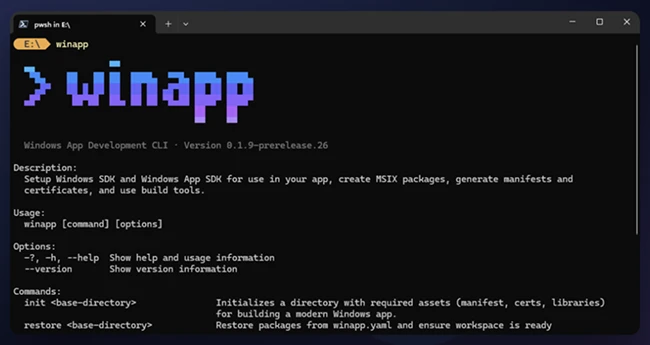
BlacksmithAI: Open-source AI-powered penetration testing framework
BlacksmithAI is an open-source penetration testing framework that uses multiple AI agents to execute different stages of a security assessment lifecycle. BlacksmithAI runs as a hierarchical system in which an orchestrator coordinates task execution across specialized agents.

mquire: Open-source Linux memory forensics tool
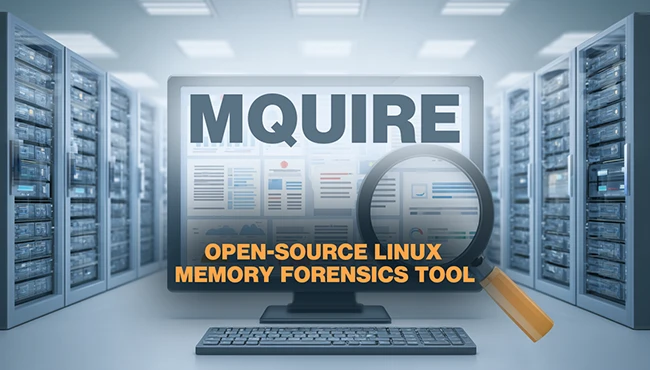
Linux memory forensics has long depended on debug symbols tied to specific kernel versions. These symbols are not installed on production systems by default, and sourcing them from external repositories creates a recurring problem: repositories go stale, kernel builds diverge, and analysts working incident response often find no published symbols for the exact kernel they need to examine. Trail of Bits published mquire to address this constraint. The open-source tool analyzes Linux memory dumps without requiring any external debug information.
Cloud-audit: Fast, open-source AWS security scanner
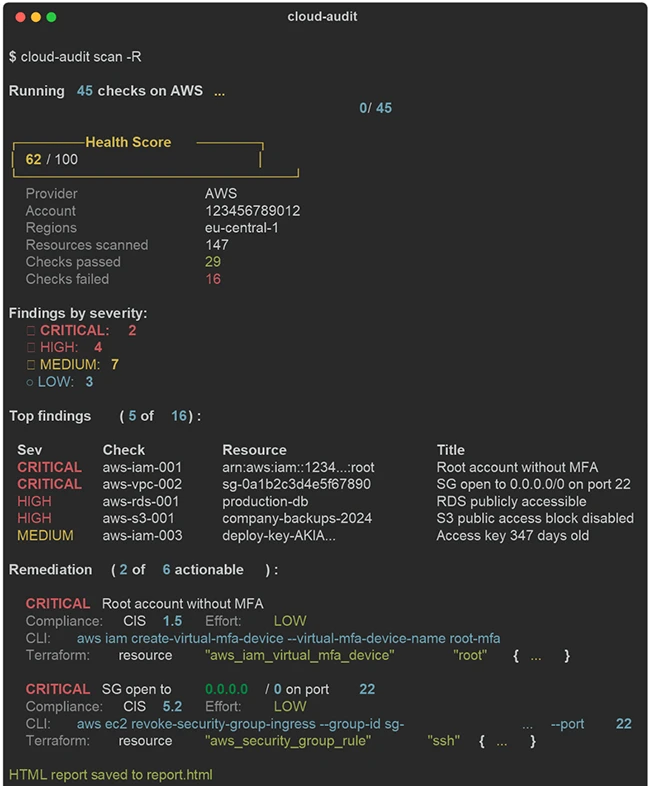
Running AWS security audits without a dedicated security team typically means choosing between enterprise platforms with per-check billing and generic open-source scanners that produce findings with no remediation guidance. Cloud-audit, a Python CLI tool published on GitHub by Mariusz Gebala, takes a narrower scope and attaches a fix to every finding it generates.
VulHunt: Open-source vulnerability detection framework
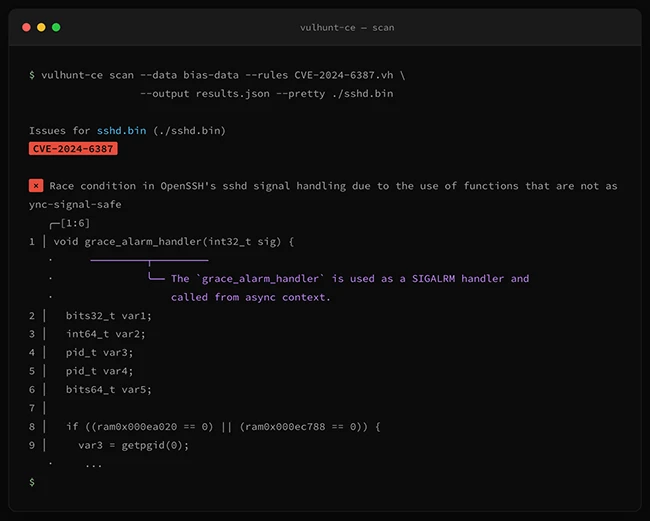
Binarly has published VulHunt Community Edition, making the core scanning engine from Binarly’s commercial Transparency Platform available to independent researchers and practitioners. VulHunt Community Edition is a framework for detecting vulnerabilities in compiled software. It operates against multiple binary representations simultaneously, working across disassembly, an intermediate representation layer, and decompiled code.
Betterleaks: Open-source secrets scanner
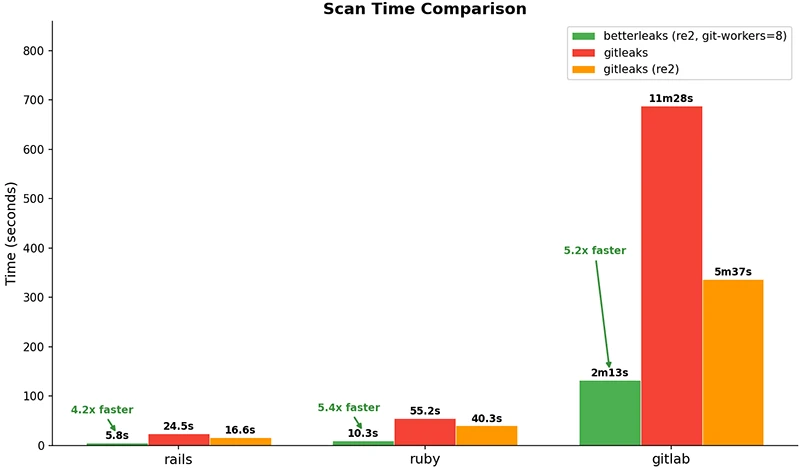
Secrets scanning has become standard practice across engineering organizations, and Gitleaks has been one of the most widely used tools in that space. The author of that project, Zach Rice, has now released a new tool called Betterleaks, which is designed to scan git repositories, directories, and standard input for leaked credentials, API keys, tokens, and passwords.
Plumber: Open-source scanner of GitLab CI/CD pipelines for compliance gaps
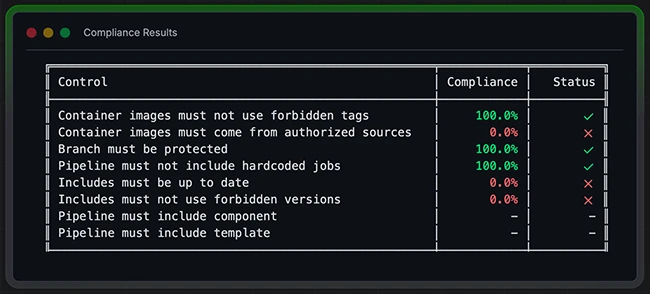
GitLab CI/CD pipelines often accumulate configuration decisions that drift from security baselines over time. Container images get pinned to mutable tags, branches lose protection settings, and required templates go missing. An open-source tool called Plumber automates the detection of those conditions by scanning pipeline configuration and repository settings directly.
ShipSec Studio brings open-source workflow orchestration to security operations
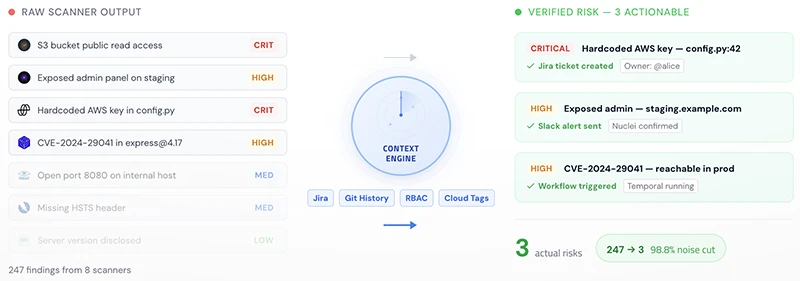
Security teams have long relied on a mix of shell scripts, cron jobs, and loosely connected tools to chain reconnaissance and vulnerability scanning work together. ShipSec Studio, an open-source security workflow automation platform from ShipSec AI, aims to replace that arrangement with a dedicated orchestration layer built specifically for security operations.
Must read:

Subscribe to the Help Net Security ad-free monthly newsletter to stay informed on the essential open-source cybersecurity tools. Subscribe here!