Kenya is investigating a Kenya cyberattack that temporarily defaced President William Ruto’s official website with an anti-government message and a Bitcoin ransom demand for five bitcoins, reportedly worth about $330,000. The attackers replaced the website’s homepage with the message, displayed a cryptocurrency wallet address and threatened to publish unspecified information about President William Ruto unless the ransom was paid.
The website was hacked on Saturday, July 18, 2026. Following the incident, access to the presidential website was temporarily restricted as authorities began containment, forensic analysis and restoration efforts. According to local media reports, access to the website was restored by Monday.
Kenya Cyberattack Prompts Incident Response
Kenya’s Ministry of Information, Communications and the Digital Economy confirmed that the official website of the President had been affected by a cybersecurity incident.
The ministry said that after the incident was detected, the ICT Authority immediately activated established cybersecurity incident response protocols.
As a precautionary measure, access to the presidential website was temporarily restricted to facilitate containment, forensic analysis and restoration efforts.
The ministry said appropriate mitigation measures had since been implemented and that restoration of the website was underway.


At the time of the statement, the government said there was no evidence of unauthorized access to sensitive data, data exfiltration or loss of information. It also stated that government systems and digital services remained secure and operational.
The ICT Authority is working with relevant government agencies and technical partners to conduct a comprehensive forensic investigation and establish the full circumstances surrounding the incident.
Kenya President William Ruto Cyberattack Investigation
The Kenya President William Ruto cyberattack involved the defacement of the president’s official website. The attackers replaced the homepage with an anti-government message, displayed a cryptocurrency wallet address and demanded five bitcoins.
The attackers also threatened to publish unspecified information about President William Ruto if the ransom was not paid.
The government has not reported evidence of unauthorized access to sensitive data or data exfiltration. The ongoing forensic investigation is expected to establish the circumstances surrounding the incident and determine the extent of the attack.
Kenya Government Website Hack Follows Earlier Incidents
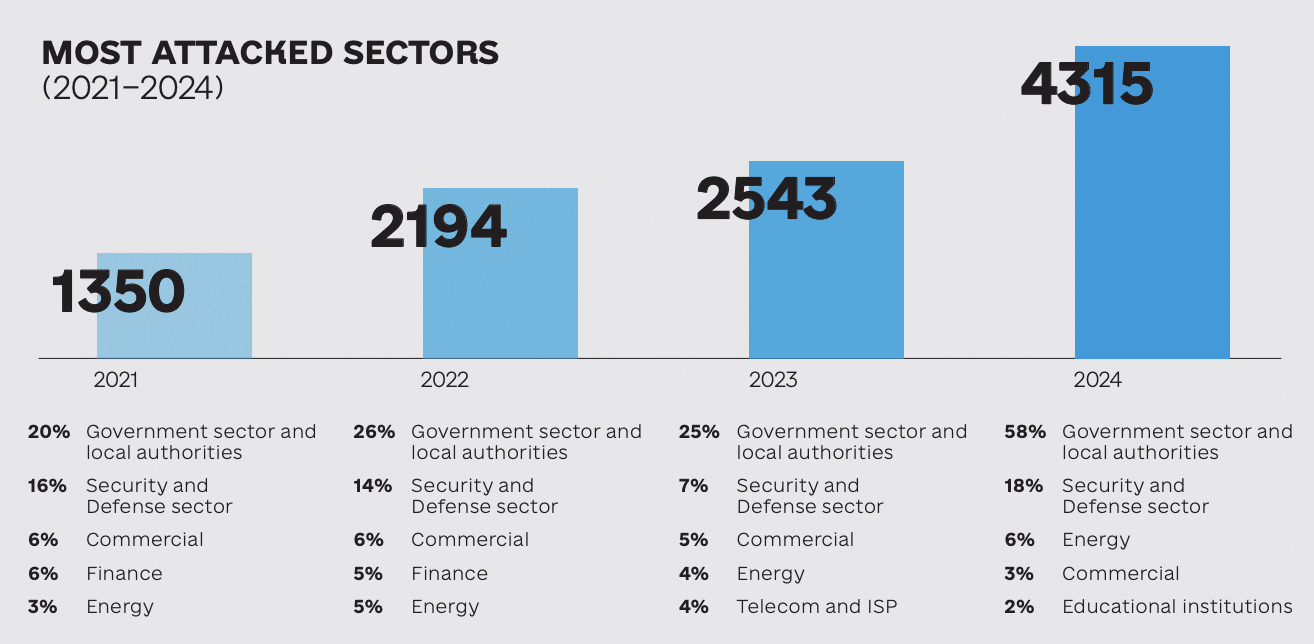
The latest Kenya government website hack follows previous cyber incidents involving government digital services and websites.
In July 2023, Kenya’s eCitizen platform, which is used for dozens of public services, was disrupted by a cyberattack. The incident affected agencies including the National Transport and Safety Authority and Kenya Power.
On November 17, 2025, hackers launched a coordinated attack on several government websites, including the presidency’s portal. The websites were temporarily knocked offline, while some pages were replaced with extremist messages.
According to the information provided by local media, the government later blamed a group calling itself PCP@Kenya, restored the affected platforms and promised stronger cyber defences.
Bitcoin Ransom Demand Targets Presidential Website
The latest incident involved a Bitcoin ransom demand for five bitcoins, reportedly valued at approximately $330,000. The attackers displayed a cryptocurrency wallet address and threatened to release unspecified information about the president.
It remains unclear from the available information whether the attackers accessed systems or data beyond the presidential website. The Kenyan government has said there is currently no evidence of unauthorized access to sensitive data, data exfiltration or loss of information.
The ICT Authority and relevant government agencies are continuing their forensic investigation to establish how the incident occurred and determine the full circumstances surrounding the Kenya cyberattack.