Manage My Health Data Breach Triggers Phishing Warnings
The fallout from the Manage My Health data breach is continuing, with the company warning that fraudsters may now be attempting to contact affected users by impersonating the online…
The fallout from the Manage My Health data breach is continuing, with the company warning that fraudsters may now be attempting to contact affected users by impersonating the online…
GitLab has issued a new GitLab patch release addressing a range of security vulnerabilities and stability issues across multiple supported versions. The latest updates, versions 18.8.2,…
Here’s a look at the most interesting products from the past week, featuring releases from cside, Obsidian Security, Rubrik, SEON, and Vectra AI. cside targets…
Athletic footwear and apparel manufacturer Nike has become the latest victim of WorldLeaks, a financially motivated ransomware group known for data extortion attacks. The group…
Microsoft has released winapp, a new command line interface aimed at simplifying the process of building Windows applications. The open-source tool targets developers who rely…
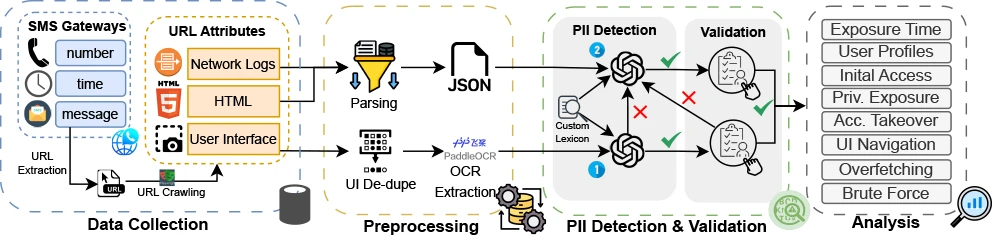
Online services often treat one-time links sent by text message as low-risk conveniences. A new study shows that these links can expose large amounts of…
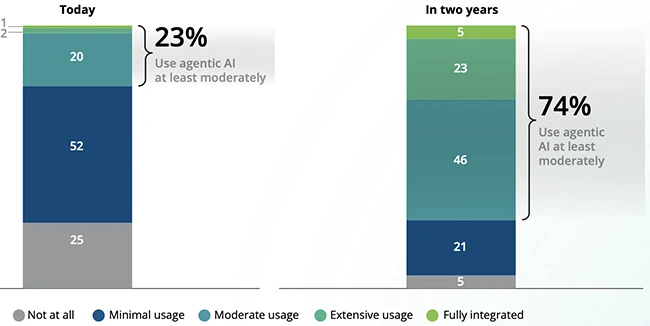
People across many organizations now have access to AI tools, and usage keeps spreading. Some groups rely on AI during regular work, others treat it…
Microsoft’s January 2026 Windows 11 security update KB5074109 has triggered multiple system stability issues, including lockups and black screens, prompting users to uninstall it. Reports…
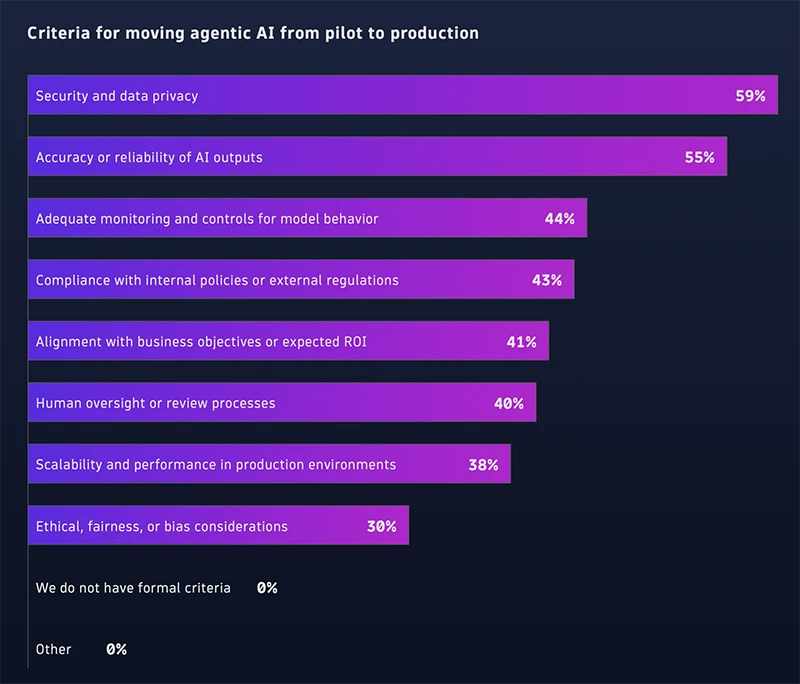
Many security and operations teams now spend less time asking whether agentic AI belongs in production and more time working out how to run it…
Here’s how the most common scams targeting Apple Pay users work and what you can do to stay one step ahead 22 Jan 2026 • …
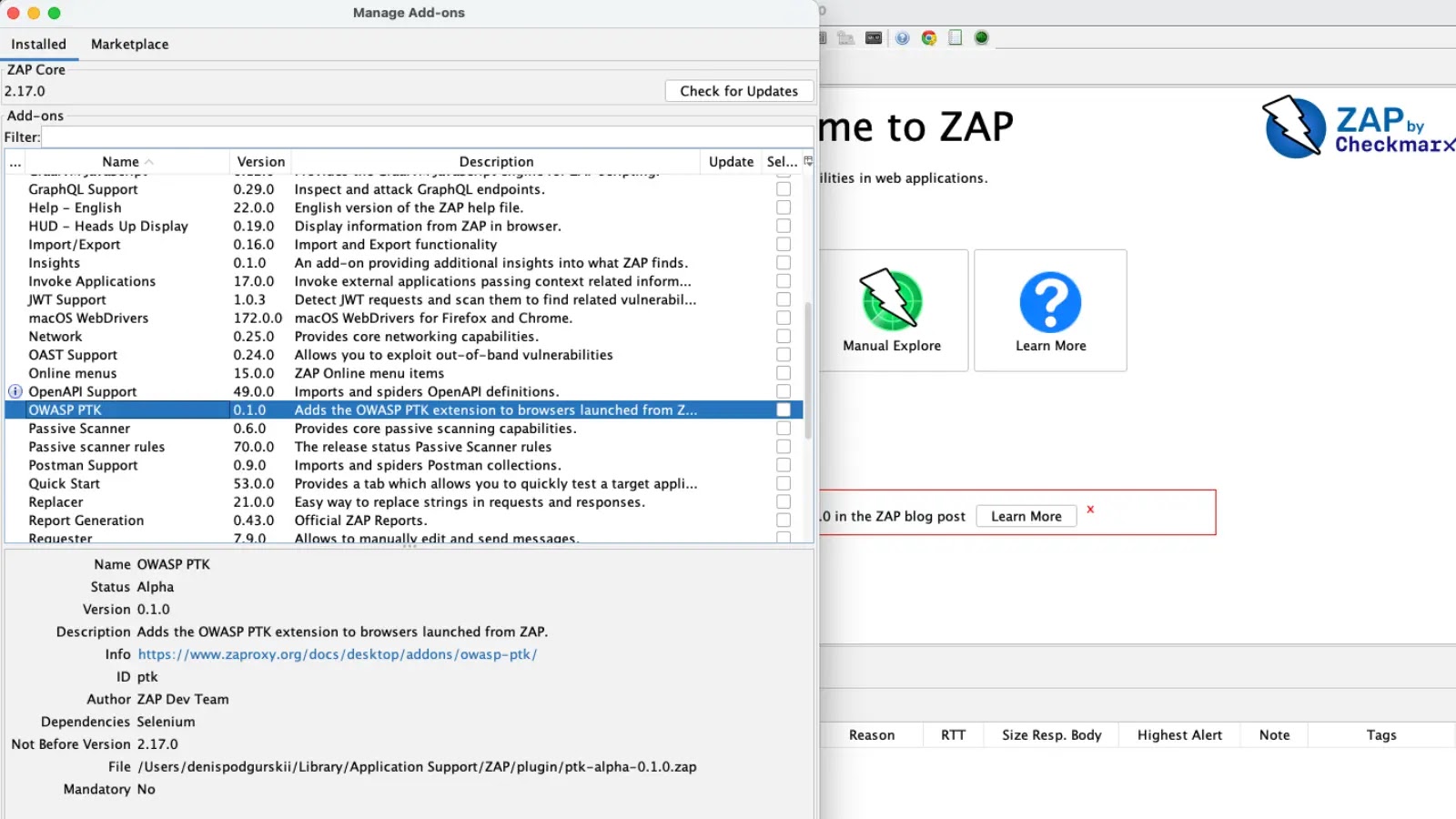
The Zed Attack Proxy (ZAP) team has released the OWASP PTK add-on, version 0.2.0 alpha, integrating the OWASP Penetration Testing Kit (PTK) browser extension directly…
A new Internet-of-Things (IoT) botnet called Kimwolf has spread to more than 2 million devices, forcing infected systems to participate in massive distributed denial-of-service (DDoS)…