- The Reality of the Configuration Gap
- Closing the Loop with Qualys Policy Audit & Audit Fix
- 1. Continuous Assessment vs. Scheduled Scans
- 2. Hyper-Prioritization via TruRisk
- 3. Autonomous Remediation at Scale
- 4. Continuous, Closed-Loop Validation
- Frequently Asked Questions (FAQs)
- What is the Configuration Gap?
- How does Audit Fix differ from traditional compliance tools?
- Does Audit Fix require new agents or infrastructure?
- How does TruRisk help with compliance prioritization?
- Additional Resources

Key Takeaways
- Human-speed compliance is dead. Attackers utilizing modern, autonomous AI tools can chain enterprise misconfigurations and weaponize vulnerabilities in under 25 minutes, rendering manual, periodic audit cycles completely obsolete.
- The “Configuration Gap” is your biggest blind spot. Organizations take an average of 14 months to remediate basic identity, access control, and logging flaws, leaving a massive, open window of exposure for automated exploitation.
- Hyper-prioritization is required to clear the noise. Enterprises cannot patch everything. TruRisk rates less than 1% of vulnerabilities as critical, up to 85% fewer than CVSS-based scoring, so teams can focus on what actually matters to auditors and threat actors alike.
- Remediation must be closed-loop and autonomous. True audit readiness requires a seamless, integrated lifecycle: automatically discovering failed controls, deploying prebuilt remediation scripts via existing cloud agents, and instantly re-verifying the fix to generate immutable audit evidence.
- Operational efficiency drives massive business value. Transitioning from manual security tickets to automated policy enforcement reduces manual audit preparation labor by 90%. It cuts total compliance costs in half, turning a bureaucratic bottleneck into a streamlined operational asset.
The era of human-speed compliance management is officially over. With the emergence of advanced, multi-modal frontier AI models, attackers are now operating at pure machine speed. Modern automated exploitation frameworks can autonomously map attack surfaces, discover software flaws, chain minor misconfigurations, and weaponize vulnerabilities within minutes of initial discovery.
In this post-frontier AI landscape, static compliance tracking, annual checklists, and manual patch cycles are no longer enough to protect the business or satisfy modern regulatory demands. Securing the enterprise requires shifting from a passive compliance posture to continuous, closed-loop remediation that fixes flaws at the same speed they are generated.
The Reality of the Configuration Gap
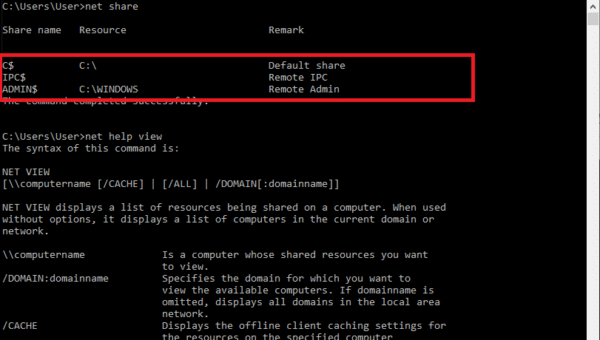
Traditional audits evaluate compliance by looking at security controls in silos. However, AI-driven threats do not care about individual checkboxes; they exploit how disparate, minor gaps interact with one another. Extensive security data collected across enterprise environments reveals an alarming systemic reality:
- The Scale of Exposure: Qualys’s ongoing analysis of platform telemetry spanning over 1 billion misconfiguration findings points to three dangerous, recurring patterns: Access Control failures account for 38% of exposures, Ransomware Risk factors for 30.7%, and critical Audit Logging gaps for 26%.
- The Long Tail of Risk: Three everyday misconfiguration categories account for 8 of the 10 most-exploited weaknesses named in CISA’s cybersecurity advisory. Our analysis of platform data shows organizations take an average of 14 months to remediate these foundational hygiene gaps.
- The Speed Mismatch: Verizon’s 2026 Data Breach Investigations Report (DBIR) revealed that resolving weak passwords and misconfigured permissions in third-party cloud environments takes a median of 8 months. These common vulnerabilities can be exploited in a full attack path within minutes, as demonstrated by recent AI security testing.
This “Configuration Gap” is the vast time lag between machine-speed exploitation and human-speed remediation, which incurs real business costs.
Misconfigured identity and access policies are now responsible for 1 in 3 cloud breaches. The fallout isn’t just security exposure; it’s lost revenue. Over half of companies report losing competitive deals because they couldn’t complete security and compliance questionnaires fast enough. Vendor assessments routinely take upwards of two weeks to complete manually, often outlasting the buyer’s decision window.
Closing the Loop with Qualys Policy Audit & Audit Fix
To survive at cloud and machine scale, enterprises must abandon the broken approach of relying on one tool for scanning and an entirely separate, manual ticketing workflow for fixing. Security teams are already buried under an unmanageable triage load; dumping a thousand-page compliance report on a system admin’s desk only widens the window of exposure.
Audit Fix is the automation layer that closes that gap. Rather than handing sysadmins a report and a ticket, Audit Fix deploys pre-built remediation scripts directly through the Qualys Cloud Agent, which is already running on the asset, thereby closing access gaps, enforcing logging policies, and hardening configurations at machine speed across thousands of endpoints at once. Fixes are re-verified on the next evaluation cycle, so teams get a closed loop of detection, remediation, and audit-ready evidence without a single manual handoff.
Qualys Policy Audit identifies the gaps. Audit Fix closes them. As the add-on module purpose-built for this handoff, Audit Fix is the piece that turns Qualys Policy Audit from a reporting tool into a self-healing compliance engine, unifying detection, prioritization, autonomous remediation, and validation into a single automated lifecycle. Hence, nothing sits waiting on a ticket queue.
1. Continuous Assessment vs. Scheduled Scans
Relying on quarterly or monthly scans means your audit documentation is out of date the moment it is printed. Qualys Policy Audit provides continuous, real-time assessment across more than 500 platforms and environments. It continuously checks assets against the latest CIS Benchmarks, DISA STIGs, PCI-DSS, and NIST frameworks, flagging compliance drift in real time.
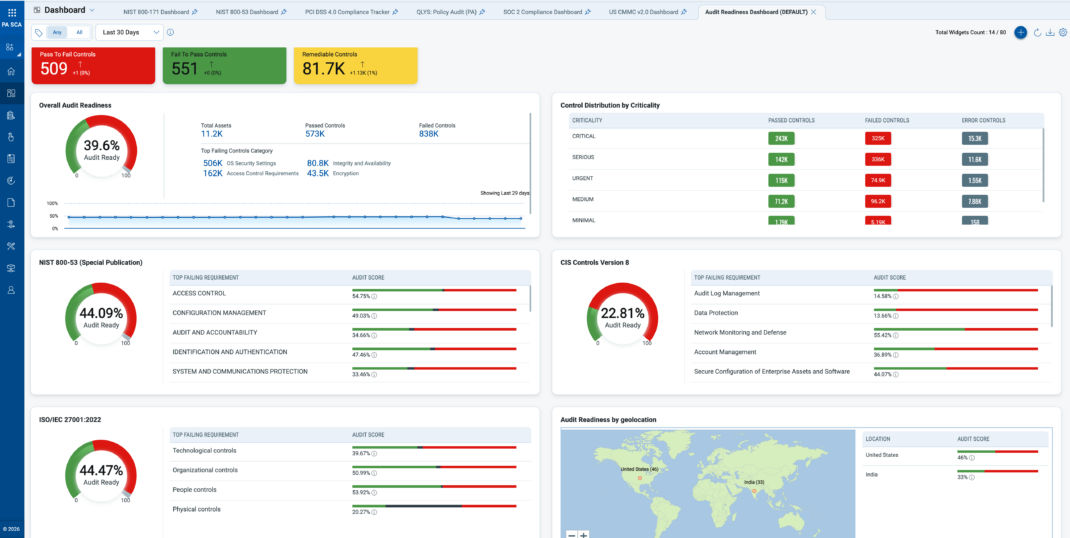
This isn’t just about frequency; it’s about eliminating the blind spots that sit between snapshots. Because assessment runs on the same lightweight Qualys Cloud Agent already deployed for vulnerability management, there is no separate scan window to schedule, no maintenance freeze to negotiate, and no agentless network sweep to slow down the pipeline. New assets are automatically activated and evaluated the moment they spin up, so auto-scaling cloud workloads and short-lived containers are held to the same standard as static, on-premises servers.
2. Hyper-Prioritization via TruRisk
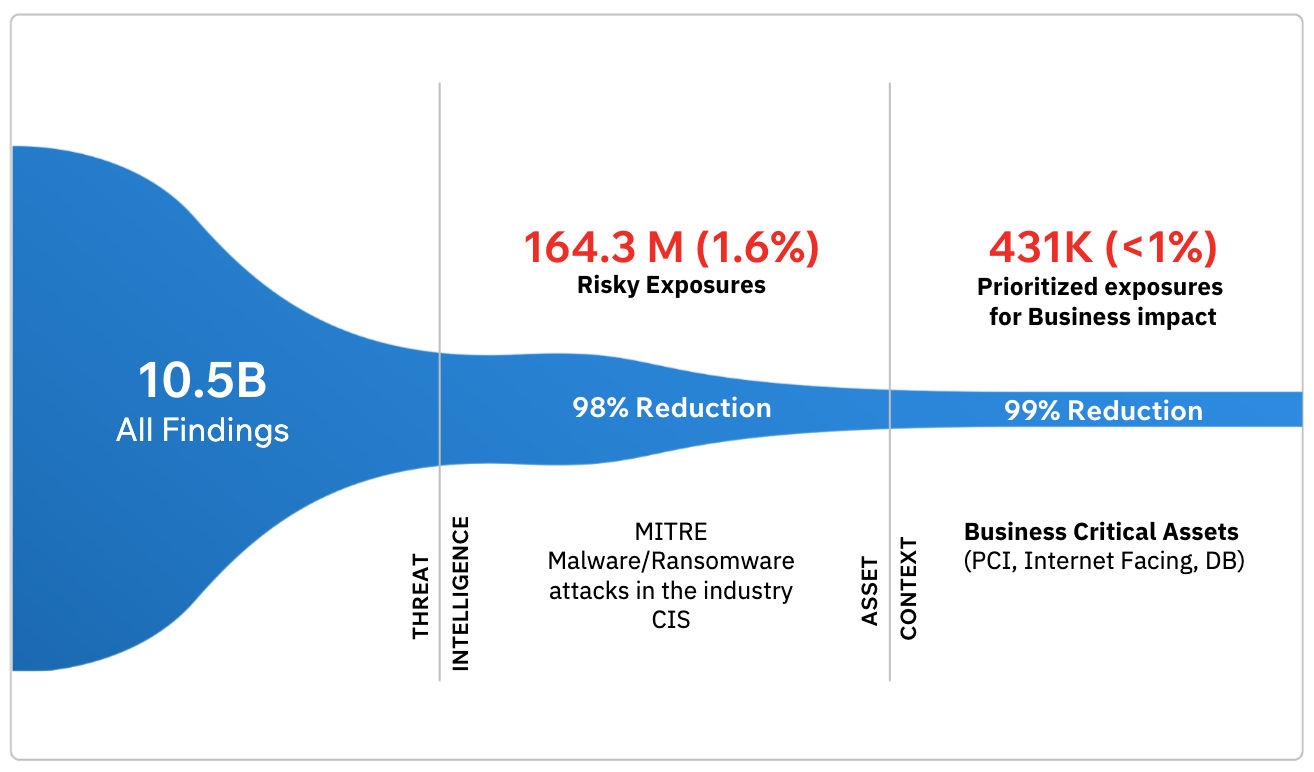
A mature enterprise environment can easily surface tens of thousands of configuration compliance failures. Treating every failure as a critical emergency leads to operational paralysis. Qualys TruRisk scoring correlates configuration data with active threat intelligence, separating background noise from actual risk and guiding teams to fix the specific exposures that sit on live, exploitable attack paths.
Instead of a flat, alphabetized list of failed checks, TruRisk layers in asset criticality, exploit availability, and internet exposure, then rolls it all into a single risk score per asset and per control. A misconfigured logging policy on an isolated test server and the same misconfiguration on an internet-facing production database are treated as fundamentally different problems, so limited remediation hours go toward the handful of findings that could be chained into a breach, rather than chasing every red flag with equal urgency. Audit Fix inherits this real-time visibility, so it always acts on current-state data rather than a stale, point-in-time report.
3. Autonomous Remediation at Scale
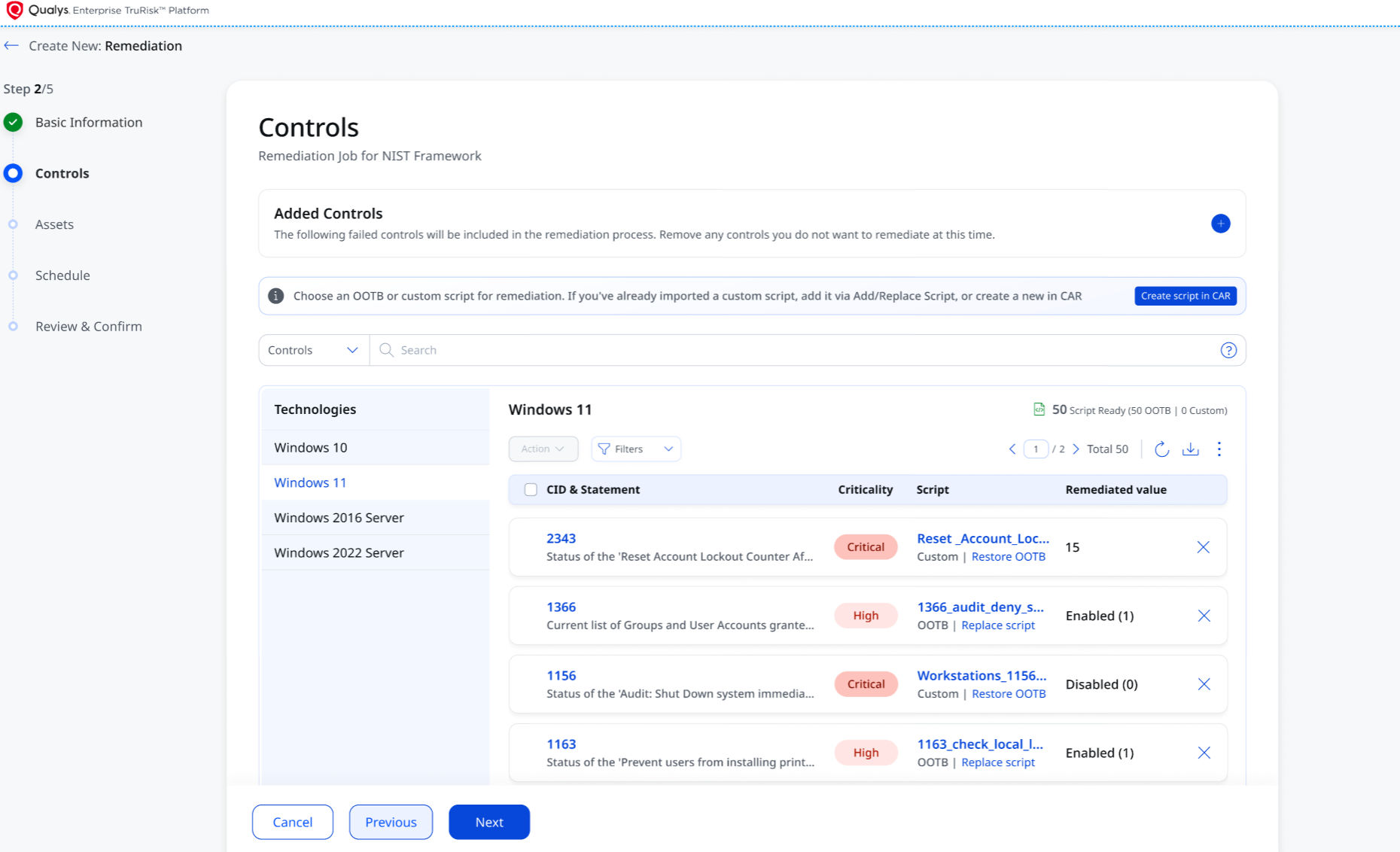
The core compliance bottleneck has always been the execution of the fix. Writing, testing, and deploying custom scripts manually takes hundreds of man-hours. The Audit Fix module removes this hurdle through pre-built Custom Assessment and Remediation scripts. Security operations can deploy trusted, vendor-validated remediation commands directly through the existing Qualys Cloud Agent already installed on the asset, instantly closing access gaps or enabling logging policies across thousands of global endpoints without requiring manual scripting.
Each CAR script is version-controlled and mapped directly to the specific benchmark control it satisfies, so remediation can be traced back to the exact CIS, STIG, or NIST requirement it addresses.
4. Continuous, Closed-Loop Validation
A fix isn’t truly complete until it’s verified and documented. Audit Fix operates in a closed loop. Immediately after a script executes, an automatic rescan of the asset is performed. Once the control status changes from “Failed” to “Passed,” the system updates its internal ledger, generating real-time, audit-ready evidence across more than 90 compliance frameworks.
That evidence chain is more than a checkbox. It becomes a durable, timestamped record of exactly when a control drifted out of compliance and when it was brought back in line, which is precisely what internal auditors, external assessors, and regulators expect to see during a review. Instead of scrambling to take screenshots of configurations and stitch together spreadsheets in the days before an audit, teams can point directly to the platform’s audit trail and demonstrate continuous compliance rather than a compliant snapshot frozen in time.
Leaving critical compliance gaps unaddressed for over a year is an open invitation to automated threat actors, but traditional, resource-constrained IT teams cannot move fast enough to keep up under manual workflows.
By replacing fragmented ticket-routing practices with automated, closed-loop remediation, organizations fundamentally alter the economics of corporate compliance and defense. Instead of routing engineering resources to manually adjust local registries, tweak group policies, or log into disconnected management consoles, the enterprise can execute trusted fixes globally at a moment’s notice.
This shift completely rewrites the operational math of enterprise risk management. By automating the validation loop, organizations experience a 90% reduction in manual audit preparation effort, freeing compliance teams from weeks of frantic data gathering and spreadsheet manipulation ahead of an inspection.
Because configurations are continuously enforced and verified, organizations see 95% fewer audit deficiencies, effectively eliminating the risk of costly post-audit penalties and failed vendor assessments. Ultimately, by collapsing the standard remediation time from 14 months to a few minutes, this automated approach slashes total audit compliance costs by 50%, transforming a traditional, slow-moving bureaucratic burden into a fast, defensible, and highly optimized operational asset.
Watch this Webinar to understand how organizations are moving beyond fragmented audits and reactive fixes to a continuous compliance model powered by automated, risk-based remediation.
Frequently Asked Questions (FAQs)
What is the Configuration Gap?
It is the large time difference between how quickly AI-driven attackers can exploit common misconfigurations (often under 25 minutes) and how long organizations take to remediate them (an average of 14 months).
How does Audit Fix differ from traditional compliance tools?
Traditional tools detect and report. Audit Fix closes the loop by deploying pre-built, vendor-validated remediation scripts through the existing Qualys Cloud Agent and automatically re-verifying the fix to generate audit-ready evidence.
Does Audit Fix require new agents or infrastructure?
No. It uses the Qualys Cloud Agent already deployed for vulnerability management and policy assessment.
How does TruRisk help with compliance prioritization?
TruRisk correlates configuration failures with asset criticality, exploitability, and exposure so teams can focus limited remediation capacity on the small percentage of findings that sit on real attack paths and matter to both threat actors and auditors.