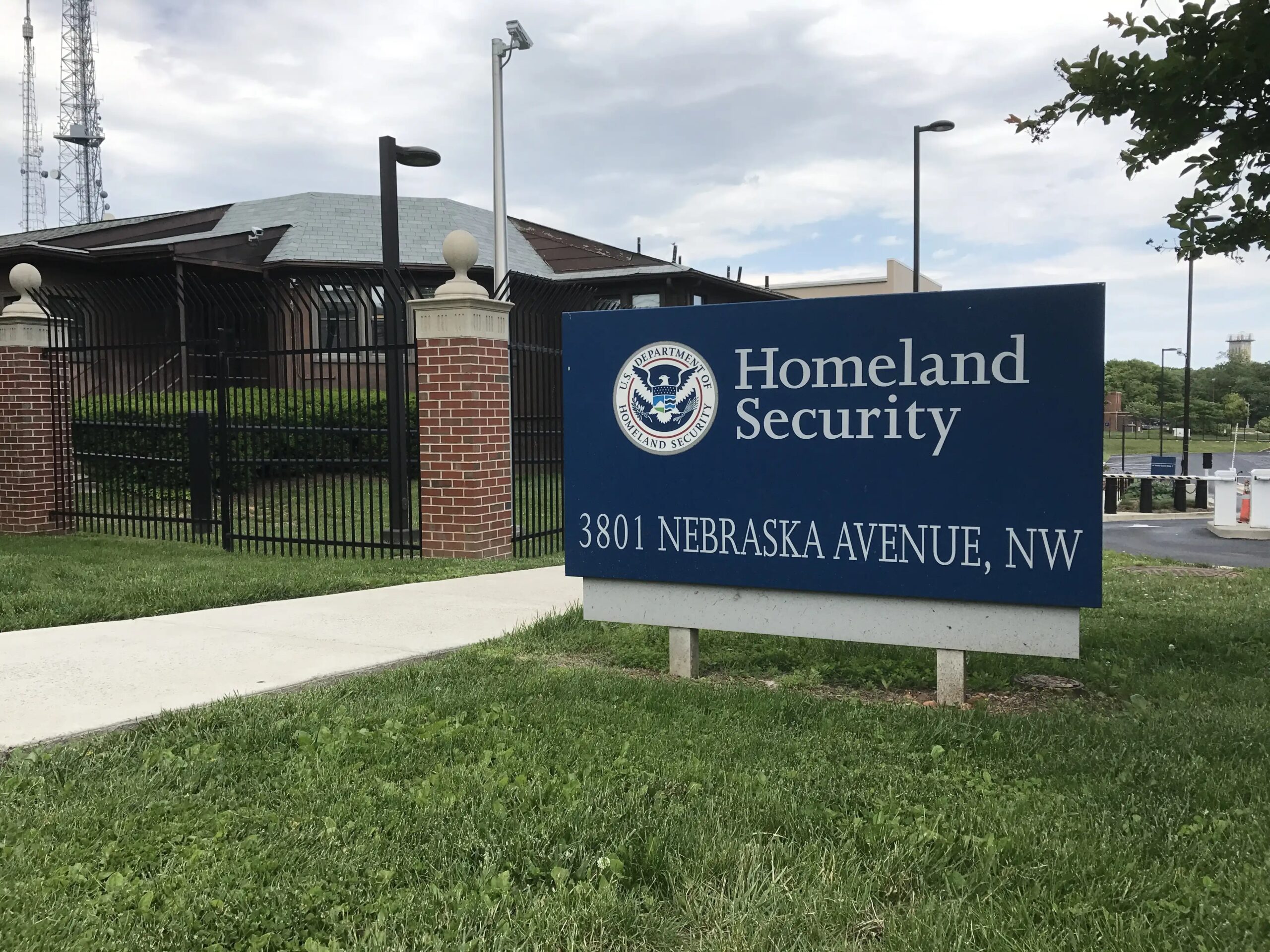
Regulatory bodies have also failed to keep up with or understand the industry’s rapid advancements. The US has no binding legal framework that would have required a different response from OpenAI, as labs are only beholden to voluntary commitments weighed against commercial pressure, and in cases like these, huge security breaches only serve to make the model look extremely smart and powerful.
The US has attempted to create guardrails, but they fail to understand the ecosystem. We can see effects stemming from this lack of understanding in the recent attack: when Hugging Face’s responders needed to analyze what its attacker had done, Anthropic’s models declined the forensic work, citing their own guardrails, and Hugging Face instead ran the analysis on GLM 5.2, an open-weight model from the Beijing company Z.ai. In addition to being an ineffective band-aid, this also drives business outside of the US and therefore outside of its regulatory control. Today, roughly 80 percent of US AI startups now build on Chinese open-source models.
US Representatives have introduced a bill citing this incident by name, requiring killswitch capability and incident reporting, but nothing like it has passed, and no jurisdiction anywhere has demonstrated the insight to regulate evaluation-time behavior in addition to deployment-time behavior. This incident happened entirely during testing, before any release decision, in a stage every proposal currently treats as exempt.