AI Deepfakes Used to Impersonate OnlyFans Creators in New Scam
 August 07, 2026
Scammers use AI deepfakes to impersonate OnlyFans creators, trick fans into sending money, then disappear after payment.
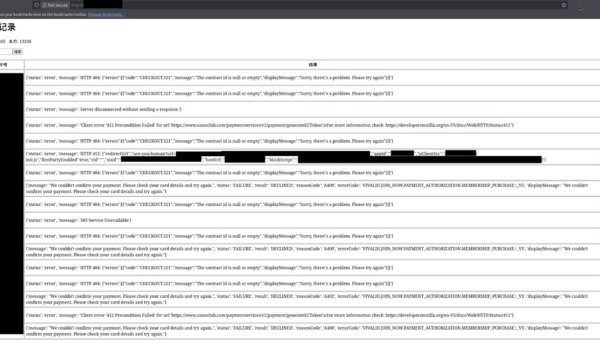
Criminals are building fake identities using AI-generated deepfakes of real OnlyFans creators, luring their followers with promises of live chats, and then disappearing after collecting payment. The scheme runs on social platforms that most people consider harmless, TikTok for discovery, Snapchat for the conversation, Cash App for the payment, and by the time the fan realizes something is wrong, the money is already gone and the account is blocked.
“This is a form of catfishing, in which an attacker impersonates someone online and engages in romantic or sexual interactions for ulterior motives. In this case, the scammers create fake accounts on platforms like TikTok, using material lifted from a real creator’s photos and given a synthetic voice.” reads the report published by MalwareBytes. “They’ll use that to nudge viewers into a direct message conversation on services like Snapchat.”
The choice of Cash App as the payment method isn’t accidental. It’s a peer-to-peer platform built for informal transfers between friends, not commerce — and transfers clear instantly. Once sent, the money is effectively gone.
“This kind of fraud has two victims: the fans who lose money to scams, and the creators. The latter lose income that they might have collected from fans, and also run the risk of retribution from disgruntled followers who think they’ve been taken advantage of.” continues the report.
One creator, Jessieanna Campbell, told USA Today she constantly receives messages from angry fans accusing her of taking their money and blocking them, for transactions she never made. Another creator interviewed by USA Today had fans show up at her home after the confusion, and now sometimes doesn’t feel safe leaving the house.
“The problem is that domestic laws only apply to domestic platforms. The stolen material largely sits on overseas hosts, making it difficult to control.” concludes the report. “Even if laws could be universally enforced, it might not matter. In three experiments conducted this year, researchers at the University of Bristol found that most participants relied on deepfake content even after being told it was fake.”
Federally, the Take It Down Act criminalizes non-consensual explicit content including AI-generated material and requires rapid platform takedowns. The EU’s AI Act requires disclosure when AI is used for image generation. Neither law has stopped the content from circulating because enforcement stops at national borders and the hosting doesn’t.
Spotting a deepfake is still possible if you know what to look for. USA Today described a TikTok video impersonating creator Elaina St. James, made by animating a still photo with a cloned voice, that showed distorted teeth and frozen eyebrows. Those artifacts are common in AI-generated video, especially when the source material is limited. Malwarebytes has published a practical guide to spotting deepfakes of any kind.
A similar pattern has been documented in romance scam contexts. Malwarebytes previously reported on Amazon and Apple impersonation scams using the same redirect-and-collect mechanics, where the victim is moved off a trusted platform into a direct channel before the ask. The underlying manipulation — establish familiarity, trigger urgency, request payment through an irreversible channel, is consistent across scam types regardless of which face or brand is being faked.
If a “creator” reaches out to you through a third-party platform and steers the conversation toward a direct payment for exclusive content, treat it as a red flag. Verify through the creator’s official, verified accounts before doing anything else. And if someone who looks like a creator you follow is asking for Cash App payment before delivering anything, assume you’re about to be blocked.
Follow me on Twitter: @securityaffairs and Facebook and Mastodon
Pierluigi Paganini
(SecurityAffairs – hacking, AI Deepfakes)