A years-long ad fraud operation targeting cheap, uncertified Android TV boxes, streaming devices and other consumer devices has suffered another major disruption. Digital fraud and bot-defense firm HUMAN reports that its Satori Threat Intelligence team has disrupted BADBOX 3.0, in which the peak volume reached was around 40 billion ad bid requests a day.
This represents over 4% of connected TV (CTV) traffic observed by researchers. Also, it is three times higher than the volume of the previous record-holder, VASTFLUX.
How BADABOX 3.0 Scheme Works
The BADBOX 3.0 campaign started with malware hidden inside cheap Android streaming boxes and tablets, which then connected those infected devices into a large botnet controlled by criminals. This was a coordinated effort involving spreading BADBOX 3.0 malware, playing fake ads, and selling victims’ home internet connections for profit.
The malware ran video ads in a hidden window, which means the device was playing ads even though nothing appeared on the screen, whereas the ad requests seemed to be coming from legitimate streaming apps. This misled advertisers into paying for traffic that was never genuine.
Researchers linked its malware module catalog to Chinese electronics manufacturer TXCZ through device software, domains, server infrastructure and code repositories. They also noted that the malware turned infected devices into residential proxy nodes across 11 networks. This allowed outsiders to use a victim’s home internet connection to route their own traffic while creating an illusion that it was coming from an ordinary household and conceal their actual location.
BADBOX keeps coming back
Hackread.com first reported on BADBOX in October 2023 when researchers at HUMAN found backdoors on cheap Android TV boxes and tablets. The malware was already installed before the devices reached buyers, leaving them compromised from the moment they were switched on. HUMAN found more than 74,000 infected devices while the PEACHPIT component was being used to commit ad fraud.
By July 2025, BADBOX had returned on a much larger scale with BADBOX 2.0 infecting more than 10 million devices across 222 countries and territories. It came with a new backdoor, BB2DOOR, which gave operators ways to commit click fraud, manipulate ads and sell access to victims’ internet connections. The campaign led to a disruption effort involving Google and other partners.
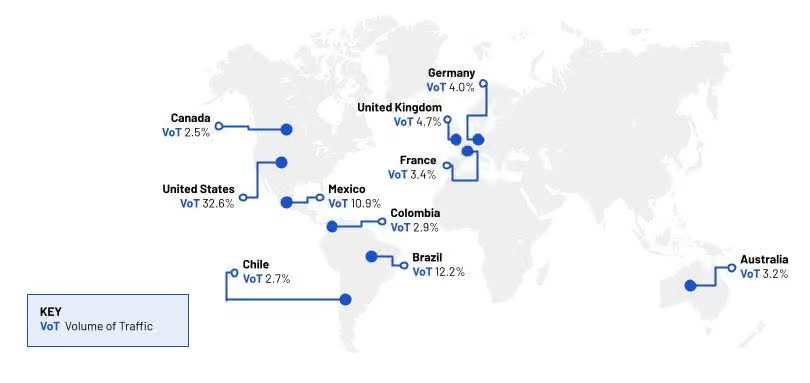
BADBOX 3.0 is different from the previous versions as instead of keeping all its malware in one place, it fetches new modules from public code repositories via a C2 server. It also hosts backup copies on other platforms and content delivery networks (CDNs) in case files get removed. That allows operators to replace malware and keep devices working for them. Some of the fake ad traffic was also created without an infected device, using bogus server-side ad insertion (SSAI) requests (called SSAI spoofing).
Researchers also believe IpMoYu, a residential proxy network exposed during the BADBOX 2.0 investigation, has returned as PXYEDGE. The new service advertised around 200,000 nodes, while monitoring recorded as many as 340,000 unique connections across its services.
The latest disruption is a huge blow, but BADBOX’s history offers little reason to assume its operators will stop here. We’ve seen the operation getting disrupted, then returning, the infrastructure moving, and the fraud evolving. Cheap devices with questionable software and little security oversight remain an easy way back in.