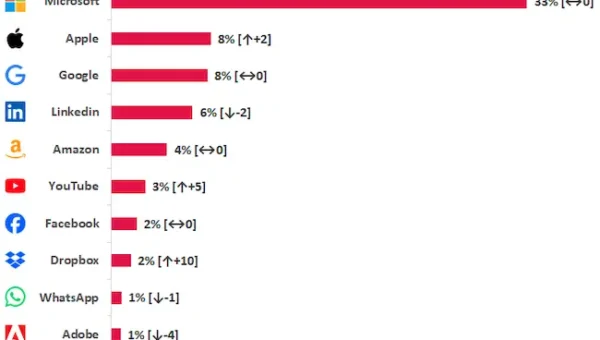
Cybercriminals favor Microsoft over Apple and Google in brand phishing attacks
Microsoft accounted for 33% of brand impersonation attempts tracked by Check Point Research in the third quarter of 2026, up from 23% in the previous…
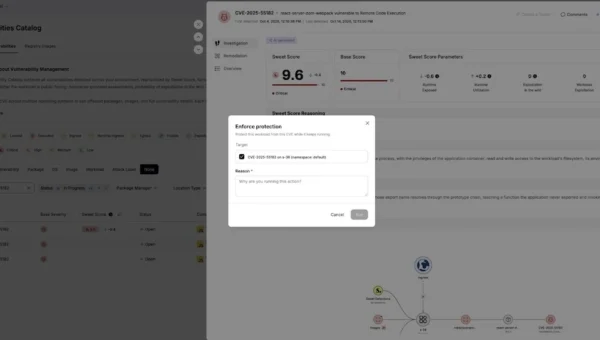
Sweet Security has announced the release of Virtual Patching, a new capability that protects running cloud and AI applications from specific vulnerabilities the moment they…
American software company ConnectWise is contending with a security incident that has allowed unknown attackers to use its application identities to break into organizations’ Microsoft…
Organizations that run open-weight AI models on their own infrastructure may have to supply safety and security controls that an AI provider would otherwise handle…
Bearer CLI is a free static application security testing (SAST) tool that scans source code for vulnerabilities and prioritizes them by the sensitive data they…
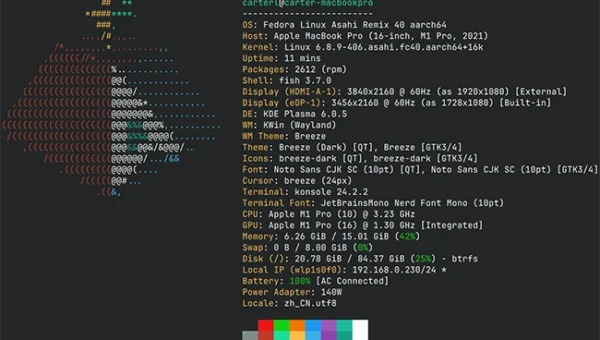
Fastfetch is a system information tool written mainly in C that runs on Linux, macOS, Windows 8.1 and later, Android and several BSDs. The fastfetch…
Here’s a look at the most interesting products from the past week, featuring releases from NinjaOne, Qualys, Scytale, and SolarWinds. NinjaOne combines Katana AI and…
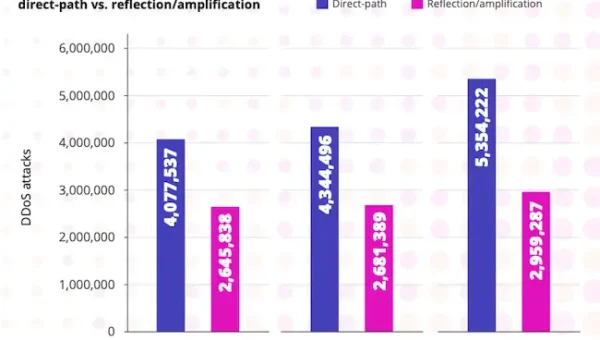
More than 9.1 million DDoS attacks were recorded globally between January and June 2026, an increase of nearly a quarter year over year, according to…
A seller on a restricted criminal forum is marketing an autonomous hacking tool that runs on stolen OpenAI, Anthropic and Google API keys, so the…
US employers posted 235,786 cybersecurity jobs from January through September 2026. That is the lowest total for those months in the four years that staffing…
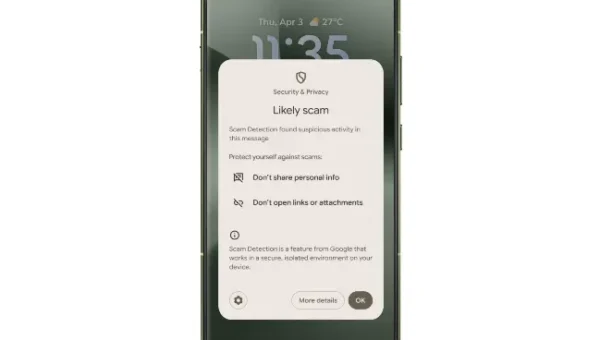
Google’s new scam protections cover Google Messages and third-party messaging apps, with an enhanced protection mode, expanded scam alerts and safeguards against call-forwarding and screen-sharing…
Arch Linux users who mistyped yay or paru while installing the package helpers from the Arch User Repository (AUR) may have given a stranger root…