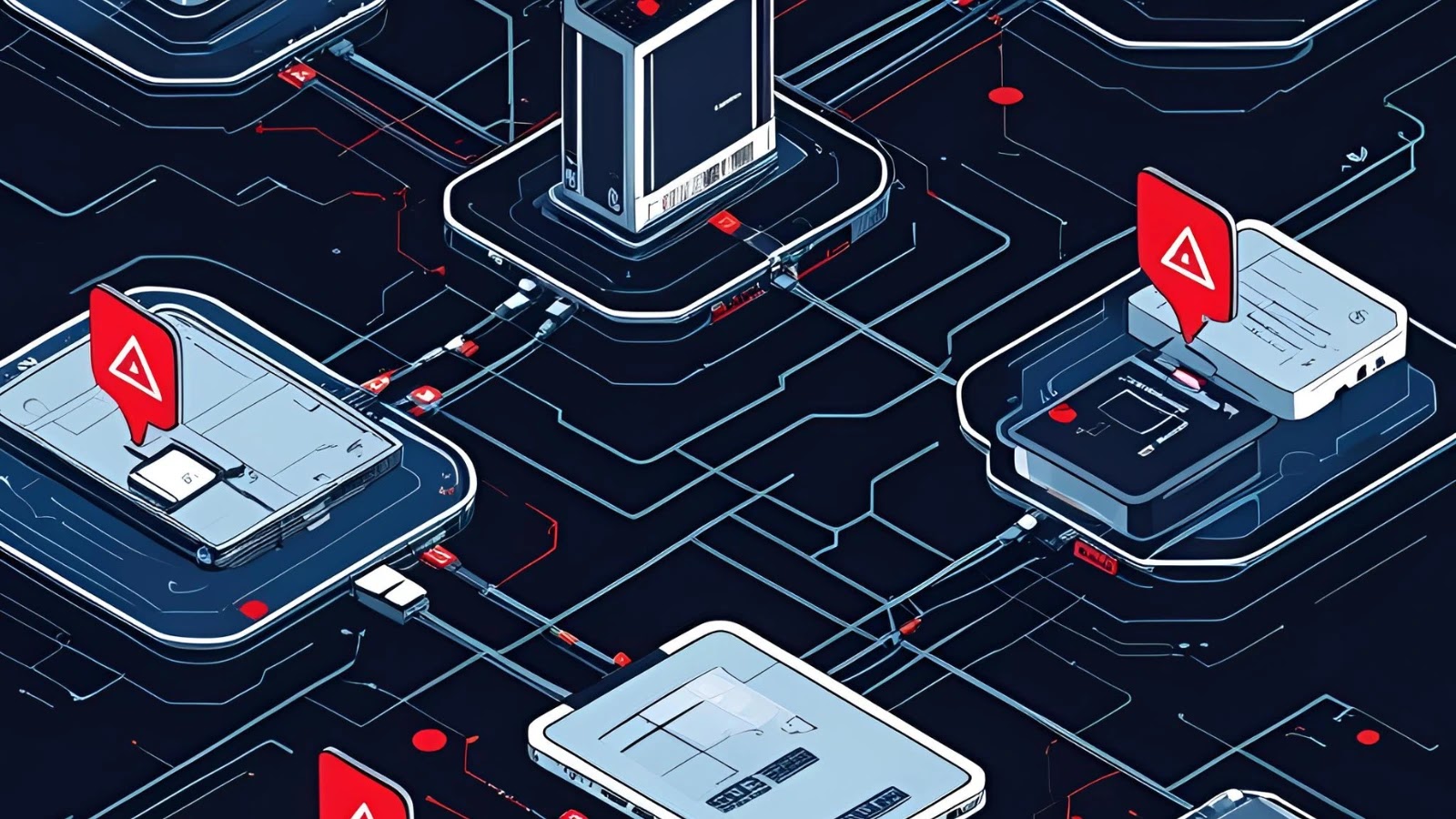
A newly disclosed high-severity vulnerability in the Cursor AI-powered coding environment could allow attackers to execute arbitrary code on a developer’s machine, raising fresh concerns about the security of AI-assisted development workflows.
The vulnerability was officially published by Cursor in February 2026, following remediation efforts. Researchers emphasized that testing was conducted under strict ethical guidelines and warned against unauthorized system access.
The vulnerability does not stem from a traditional bug in Cursor’s core code. Instead, it arises from how the AI agent interacts with existing Git features when operating on untrusted repositories.
Tracked as CVE-2026-26268, the issue was discovered by Novee’s research team and responsibly disclosed in coordination with Cursor.
Modern security practices often focus on external attack surfaces such as APIs and authentication systems. However, this research highlights a critical blind spot: developer environments.
Tools like IDEs are generally assumed to be safe, but that assumption weakens when AI agents are given autonomy to execute commands on potentially malicious codebases.
Git Features Enable Exploitation
The attack relies on combining two legitimate Git mechanisms:
- Git hooks: Scripts that run automatically during actions like commits or checkouts.
- Bare repositories: Repositories that contain only Git metadata and can be embedded inside other repositories.
An attacker can hide a malicious bare repository within a seemingly legitimate project. This embedded repository contains a harmful pre-commit hook. When the Cursor agent performs routine Git operations such as checkout, the hook executes automatically.
No user interaction or warning is required. The result is silent, attacker-controlled code execution triggered during normal development activity.
This behavior is not new in Git itself. What changes the risk level is Cursor’s AI agent, which autonomously executes commands based on user prompts.
In traditional workflows, developers manually run commands and can notice suspicious behavior. In contrast, Cursor agent interprets high-level instructions and decides which Git operations to perform.
This removes the need for direct user action and reduces visibility into what is happening behind the scenes.
For example, a developer asking the agent to “set up and review a repository” could unknowingly trigger a malicious Git operation embedded in that repository. The attack requires no phishing or trickery beyond convincing the user to clone a repository.
Expanding the Attack Surface
The vulnerability demonstrates how AI-powered tools expand the attack surface. Any content processed by the agent, including public repositories, becomes a potential entry point for exploitation.
Novel researchers identified this issue by analyzing how AI agents interact with untrusted inputs across multiple steps.
Instead of looking for a single vulnerability they examined how safe features could combine into unsafe outcomes under adversarial conditions.
This approach reflects a broader shift in cybersecurity, where complex interaction patterns are becoming as important as individual vulnerabilities.
The impact of CVE-2026-26268 is significant because developer machines often contain sensitive assets such as API keys, credentials, and proprietary code. Compromising a developer endpoint can lead to wider organizational breaches.
Key takeaways for security teams include:
- Treat developer environments as high-value targets.
- Audit AI coding tools for how they handle untrusted inputs.
- Review repository configurations, including embedded rules and hooks.
- Consider AI agent behavior as part of the threat model.
This vulnerability shows that as AI agents take on more responsibility in development workflows, security assumptions must evolve.
A simple action like cloning a repository can now lead directly to code execution, making proactive threat modeling and continuous testing essential.
Follow us on Google News, LinkedIn, and X to Get Instant Updates and Set GBH as a Preferred Source in Google.